Sleep Apnea Treatment in Mumbai

Sleep apnea is one of those conditions that quietly declines your health for years before anyone notices it. Loud snoring. Daytime exhaustion. Morning headaches that won’t change. People put up with it for a decade before they finally book an appointment but by then the blood pressure is high, the heart is working overtime, and mornings feel like a slow uphill climb.

If any of that sounds familiar, you’re not alone. Sleep apnea is among the most underdiagnosed conditions in India, and Mumbai is no exception. The good news is that it’s also one of the most treatable disorder, provided you meet a doctor who actually knows what to look for.

Dr. Sharada Panse is a fellowship-trained sleep medicine specialist doctor in Mumbai offering full sleep apnea treatment in Mumbai. She handles the whole journey from one place: from the first consultation, the sleep study, the CPAP setup to  follow-up visits that decide whether the treatment actually works.

Types of Sleep Apnea
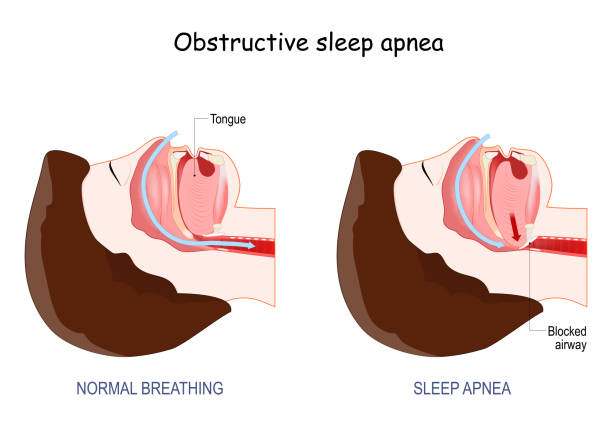
There are three types of sleep disordered breathing and the treatment depends on which one you’re dealing with. Getting the diagnosis right is half the battle.Out of the three, OSA is the most common.
Left panel shows normal breathing with an open airway; right panel shows sleep apnea with a blocked airway caused by the tongue and soft tissues.

Obstructive Sleep Apnea (OSA)

The airway physically narrows or collapses during sleep. The lungs are still trying to breathe, but the air can’t get through. This is by far the most common type — over 80% of cases — and it’s the one usually linked to loud, persistent snoring and choking spells at night.

Central Sleep Apnea

The airway stays open. The problem is that the brain briefly stops sending signals to breathe. Rarer than OSA, and often connected to heart problems, stroke, or certain medications.

Mixed (Complex) Sleep Apnea

This is a type of obstructive apnea along with central events as well.Both types happening at once. Less common, but it complicates treatment and needs careful handling.

What is Sleep Apnea?

Sleep apnea is a sleep-related breathing disorder. Your breath keeps stopping and restarting through the night, from few to multiple times an hour daily at night. Each pause may drop your oxygen levels and pulls you out of deep sleep, often without you ever remembering it.

That’s the short version. The longer one: your body spends the night fighting to breathe instead of resting, which is why you wake up feeling like you barely slept at all. The medical name for it is sleep-disordered breathing, and the most common condition is obstructive sleep apnea, or OSA.
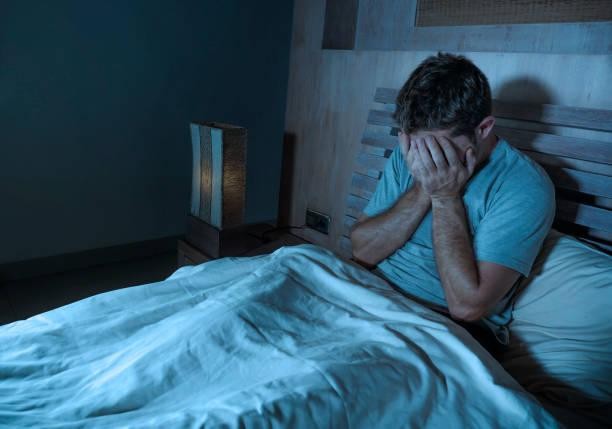
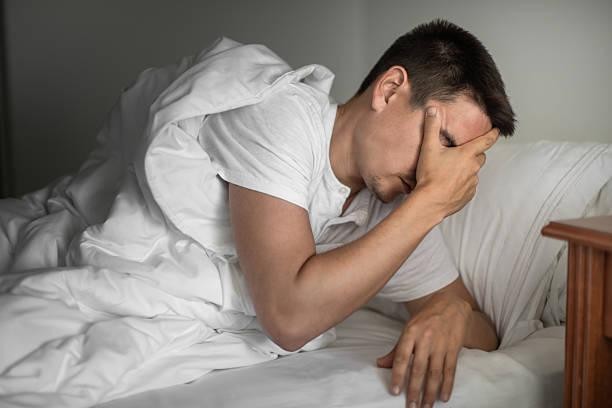
Man sitting up in bed at night, face buried in his hands, looking distressed/overwhelmed.

Suspect having sleep apnea? Get it checked properly.
Book a consultation with Dr. Sharada Panse, sleep apnea doctor in Mumbai. Call or WhatsApp 98704 13477, or book an appointment online.

Symptoms of Sleep Apnea

Most sleep apnea patients have diurnal symptoms. At night, while you’re asleep, which usually means your partner notices them before you do. And during the day, where the symptoms spill over where the consequences are faced.

At Night

Loud, persistent snoring:

Often the first sign the bed partner notices.

Choking or gasping spells:

A sudden “I was suffocating” feeling, sometimes several times a night.

Restless sleep:

Tossing, turning, sweating,dry mouth with frequent waking that you may or may not remember.

Multiple bathroom trips:

Sleep apnea has a link with nocturia. It’s not just an ageing prostate in men.
During the Day

Waking up tired:

However long you slept, you wake up feeling not rested.

Morning headaches:

Especially the dull, pressing kind that fades after breakfast.

Falling asleep where you shouldn’t:

It maybe meetings, traffic signals or, dinner. Driving with this disorder can lead to road traffic accidents.

Trouble focusing or remembering things:

Mental fog that you start blaming on age or work.

Low mood, irritability, low libido:

All quietly worsened by chronically broken sleep.

Blood pressure that won’t come down:

Even on medication. This one matters.
Quick clarification: snoring on its own isn’t sleep apnea. But loud persistent snoring plus daytime tiredness almost always deserves a proper check up.

Treatment Options for Sleep Apnea in Mumbai

Sleep apnea treatment depends on what type you have, how severe it is, and how your body is built. There isn’t one answer that fits everyone, which is why the consultation matters more than most people expect.
N

Sleep Apnea Test (Polysomnography)

Before any treatment starts, you need a confirmed diagnosis. A sleep apnea test records your breathing, oxygen levels, heart rate, and brain activity through the night. It can be done at home or in a sleep lab (level I study), depending on the complexity of your case. Dr. Panse decides the level of sleep study needed on case to case basis.
N

CPAP Therapy

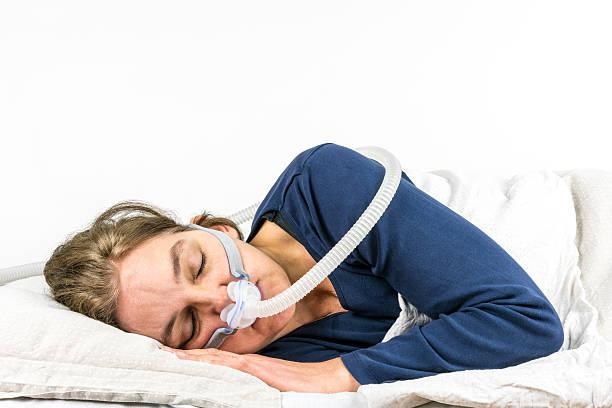
This is the sleep apnea machine most people have heard about. CPAP, short for Continuous Positive Airway Pressure, keeps the airway open with a steady stream of pressurised air through a mask. It’s the gold standard for moderate-to-severe OSA. The hard part isn’t getting the machine. It’s actually using it every night, and that comes down to mask fit, pressure settings, and someone who walks you through the awkward first few weeks.
N

BiPAP and Auto-Titrating Devices

For patients who can’t tolerate CPAP, or who have other respiratory problems along with apnea, BiPAP delivers two different pressures, one for breathing in and another to keep your airway open. Some people find it noticeably easier to live with this machine.
N

Mandibular Advancement Device (MAD)

A custom-made oral appliance that shifts the lower jaw slightly forward to keep the airway open. A solid option for mild-to-moderate sleep apnea, and a real alternative for people who want to avoid using CPAP and have side effects with its use.
N

Lifestyle Changes

Weight loss, sleeping on lateral side rather than your back, abstaining from alcohol before bed. These don’t replace medical treatment when the apnea is moderate or severe, but they make a real difference and work as adjuncts to CPAP use.
N

Sleep Apnea Surgery

Surgery is another option, not a first-line one. It’s considered when other treatments fail, or when there are clear anatomical issues — nasal obstruction, very large tonsils, jaw problems — driving the apnea.
Stop guessing. Find out exactly what’s going
on with your sleep. Call or WhatsApp 98704 13477,
or book your appointment here.

Causes and Risk Factors

Sleep apnea doesn’t have one cause. It’s usually a mix of anatomy and non anatomical factors3, lifestyle, and other health conditions stacking up together. Some of these you can change. Some you can’t. The point of a proper assessment is to figure out which ones are driving your particular case.

Multiple bathroom trips:

Sleep apnea has a link with nocturia. It’s not just an ageing prostate in men.

Anatomy:

A naturally narrow airway, large tonsils, a recessed jaw, or a thick neck.

Gender:

Men are diagnosed more often, though women are same risk after menopause.

Age:

Bimodal distribution Risk climbs after 40, and again after 60.

Family history:

Yes, it runs in families.

Smoking:

Inflames and narrows the upper airway.

Alcohol and sedatives:

Both relax the throat muscles. Both make airway collapse more likely.

Chronic nasal congestion:

Allergies, deviated septum, polyps.

Medical conditions:

Hypertension, type 2 diabetes, hypothyroidism, PCOS, and heart failure all increase the risk.

Why Choose Dr. Sharada Panse for Sleep Apnea Treatment in Mumbai

There are doctors who treat sleep apnea on the side. And there are sleep medicine specialists in Mumbai who do this all day, every day. Dr. Panse is the second kind.

N

Fellowship-trained in sleep medicine:

Her fellowship was completed at St. John’s Medical College, Bangalore, one of the very few centres in India running three full level I sleep laboratories. It’s the kind of training that exposes you to the rare cases, not just the common ones.
N

Respiratory medicine background:

Sleep apnea is essentially a breathing problem dressed up as a sleep problem. Her MD in Respiratory Medicine means she reads the breathing side of the picture, not just the sleep study report.
N

Diagnosis comes first:

No prescriptions handed out before there’s a proper assessment behind them. A sleep apnea test, when it’s needed, is the foundation of treatment.
N

Setup that actually works:

Most CPAP failures happen in the first two weeks. She puts quality time into the mask fit, the pressure settings, and the follow-up visits, so the machine doesn’t end up forgotten in the drawer.
N

Active in major sleep societies:

Member of the World Sleep Society and the Indian Sleep Disorders Association, which keeps her practice in step with current global standards.

Get In Touch

Shushrusha Citizens’ Co-operative Hospital Ltd, 698-B, Ranade Rd, W, Dadar, Mumbai, Maharashtra 400028

FAQs

Is sleep apnea dangerous?

Yes, when it’s left untreated. It raises the risk of high blood pressure, heart disease, stroke, type 2 diabetes, and serious accidents from daytime drowsiness. Treated properly, those risks come down.

How is sleep apnea diagnosed?

With a sleep study, also called polysomnography. It records your breathing, oxygen, heart rate, and brain activity overnight. Some patients do it at home, others need a lab.

Can sleep apnea be cured?

For most people it’s controlled rather than cured. With weight loss or surgery for specific anatomical problems, it can be reversed. Well-controlled apnea behaves like a treated condition and reduces other health related consequences like blood pressure.

Does CPAP have to be used every single night?

Yes. Skip a night and the apnea is back. There are cardiovascular benefits also. Used consistently, CPAP is one of the most effective treatments in medicine.

How much does sleep apnea treatment cost in Mumbai?

It depends on the level of sleep study (home vs. lab) and the treatment needed. Consultation with Dr. Panse is Rs. 1,800 at the first visit. For a proper cost for your case, book an appointment.

Where can I get sleep apnea treatment in Mumbai?

At Shushrusha Citizen’s Co-operative Hospital, Dadar (West). Dr. Panse consults Tuesday and Saturday mornings, and Wednesday evenings. Call or WhatsApp 98704 13477 to book.

Disclaimer: The information shared in this content is for educational purposes and not for promotional use.

Call Now Button