
Dr. Sharada Panse – Sleep Specialist in Mumbai
Most people don’t give sleep much thought until they have to face it’s consequences like work turning foggy, mornings feel like a fight,daytime tiredness and given enough time even blood pressure and weight don’t normalise for years. Plenty of people live this way for years and quietly decide they’re just “bad sleepers”.
That’s usually the point where Dr. Sharada Panse gets involved. She’s a sleep medicine specialist in Mumbai, and most of her work boils down to finding the real reason a person isn’t sleeping properly, then working on it. Her background is in Respiratory Medicine. She holds an MD in it, followed by a full Fellowship in Sleep Medicine at St. John’s Medical College in Bangalore. St. John’s runs three separate sleep laboratories, which isn’t common in India, and it meant she trained across an unusually wide mix of cases. Before the fellowship she observed and treated sleep cases at NIMHANS in Bengaluru and worked as clinical assistant with senior pulmonologists at P.D. Hinduja Hospital here in Mumbai.
These days she consults at Shushrusha Citizen’s Co-operative Hospital in Dadar. A large share of what she sees is obstructive sleep apnea, so “sleep apnea specialist in Mumbai” is a fair description, but the cases are all over the map. Some people arrive with insomnia that won’t budge. Others have narcolepsy, or behave differently in their sleep that no one has been able to make sense of. The conditions vary, but the first step rarely does. Work out what is actually causing the problem, then treat that, not just the symptom.

Specializations
Sleep disorders don’t all behave the same way, and they definitely not all respond to the same treatment. Dr. Panse works as a sleep disorder specialist across the whole spectrum, from the conditions she sees most weeks to the ones a lot of clinics rarely come across. Her sleep disorder treatment in Mumbai almost always begins with a proper diagnosis rather than a quick prescription.
Obstructive Sleep Apnea (OSA)
The most common one by far. The airway keeps narrowing or closing through the night, and that is usually what sits behind heavy snoring and feeling fatiguedthe next day.
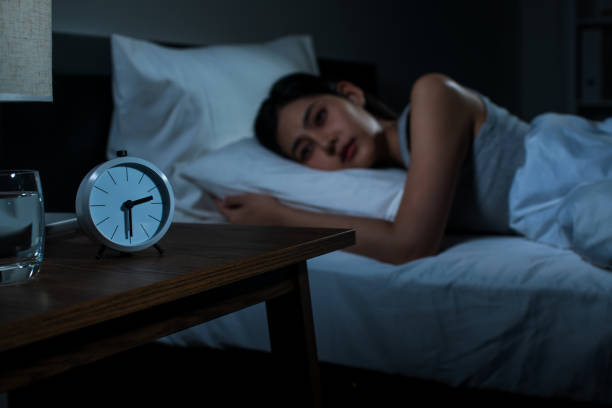
Insomnia
Trouble falling asleep,maintaining sleep or trouble staying asleep. The goal is to track down what is driving it instead of reaching straight for sleeping pills.
Central Sleep Apnea
Rarer than OSA, and different. The airway is fine here. The problem is the brain not sending a steady signal to breathe.
Snoring
Sometimes harmless, sometimes not. It is worth checking properly, because loud snoring with gasping is often the first hint of sleep apnea.
Narcolepsy and Excessive Daytime Sleepiness
Daytime sleepiness heavy enough to interrupt normal life. It often gets unrecognised for years before anyone reaches the real cause.
Parasomnias and REM Sleep Behaviour Disorder
Sleepwalking, night terrors, and physically enacting out dreams. Unsettling to live with, but manageable once they have been properly assessed.
Circadian Rhythm Sleep-Wake Disorders
When your internal body clock drifts out of sync with day and night. Shift workers and pilots and even doctorsrun into this a lot.
Obesity Hypoventilation Syndrome
Breathing that stays too shallow during sleep in people carrying extra weight, so the body holds on to too much carbon dioxide.
Treatments and Therapies Offered
CPAP Therapy
Still the most dependable treatment for moderate to severe sleep apnea. The real work is in the setup, because a machine only helps if it is comfortable enough to used every single night.
Mandibular Advancement Device (MAD)
A custom-made oral appliance. A good option for milder apnea, or for people who have genuinely tried CPAP and cannot get on with it.
Still tired after a full night’s sleep? Book a consultation with Dr. Sharada Panse.
Why Patients should choose Dr. Sharada Panse
Sleep medicine is a slightly awkward corner of healthcare. It overlaps with Respiratory medicine, Neurology, ENT and Psychiatry at the same time, which makes it easy for a patient to walk away with only half an answer. People pick Dr. Panse as their sleep doctor in Mumbai mainly because she tends not to stop at half an answer.
Trained where sleep medicine is taken seriously
Her fellowship was completed at a hospital with three working sleep labs, started by a specialist who trained at Harvard. Rare cases that most clinics see once in a blue moon, narcolepsy and REM behaviour disorder among them, she has handled directly.
A respiratory doctor and a sleep apnea doctor
Sleep apnea is really a breathing problem in disguise. Because of her degree in Respiratory Medicine, she looks at the breathing and the sleep together, rather than fixing one and missing the other.
Diagnosis before treatment
No guesswork. The treatment plan waits until there is a proper assessment behind it, and a sleep study when that is needed, so you are treated for what you actually
Treatment that fits a real life
A CPAP machine or an oral device only works if you keep using it. She puts real time into the fit and the settings so it does not end up abandoned in a drawer.
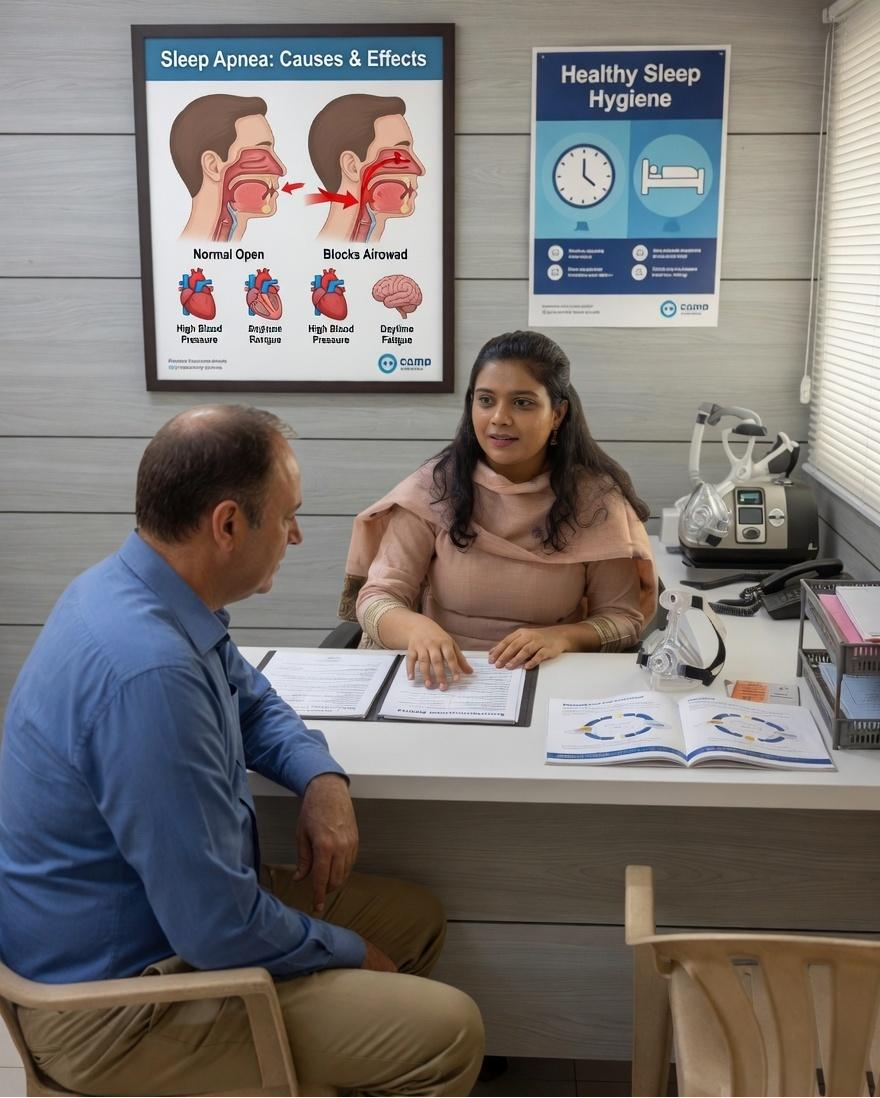
You leave understanding your own condition
Patients walk out knowing what is wrong and why the treatment works. It sounds obvious. In a rushed ten-minute consult, it often doesn’t happen.
Genuinely easy to reach
Consultations are at Shushrusha Hospital in Dadar, central enough for most of Mumbai without turning the visit into a day out.
Our Vision and Our Mission
Our Vision
We’d like to see a Mumbai that stops treating bad sleep as something you simply put up with. Far too many people write off constant tiredness and heavy snoring as just part of adult life. Sleep can be measured, explained and, in most cases, improved, and many more people deserve to about the problem and also get treatment for it’s harmful consequences.
Our Mission
Every patient should leave with a straight answer and a clear next step. In practice that means careful diagnosis, treatment based on current evidence rather than old habit, and enough time in the room to properly explain what is going on. Good sleep sits in the same bracket as a healthy heart or healthy lungs. It is basic, and people deserve real care when it stops working.
Your sleep is worth a proper opinion. Book an appointment with Dr. Sharada Panse.
FAQs
When should I see a sleep specialist?
If you snore loudly, wake up tired after a long night, struggle to fall or stay asleep, or feel drowsy through the day, it is worth booking in. Most people put these off for years. The honest answer is that they usually shouldn’t disregard their sleep and it’s problems because nearly all of them can be treated.
What happens during a sleep study?
A sleep study, or polysomnography, records what your body does overnight: breathing, oxygen levels, heart rate, brain activity. None of it hurts. It gives Dr. Panse a clear, objective evidence of your night’s sleep and she uses that to confirm the diagnosis before recommending further management.
Is snoring really a medical problem?
Sometimes snoring can be harmless where the term primary snorers is used. But snoring that is loud, regular and broken by pauses in breathing can point to obstructive sleep apnea, and apnea left alone is linked to high blood pressure, heart problems and daytime drowsiness serious enough to cause accidents. Primary snorers need to be differentiated from heavy snorers so a proper check is worth it.
Can insomnia be treated without sleeping pills?
Usually, yes. Sleeping pills cover up the problem without fixing it. Dr. Panse looks at what is actually keeping you up, whether that is stress, an erratic schedule, another health condition or habits that have built up around bedtime, and recommends further treatment.
Will I need to use a CPAP machine for life?
Majority of the times until the cause is treated. Some patients get sleep apnea under control with weight loss or a palatal surgery or even a jaw surgery and bariatric surgery. For others, CPAP really is the best long-term answer. Either way it is a discussion during your consultation, not a verdict handed down on day one.
Disclaimer: The information shared in this content is for educational purposes and not for promotional use.