
Insomnia Treatment in Mumbai
Insomnia has a way of quietly rewiring your week. You lie awake at 2 am scrolling. You finally drift off at 4. The alarm at 7 feels like punishment. By Wednesday you’re snapping at people you love. By Friday you’re afraid of bed, because you already know how the night will go.
Sound familiar? You’re not alone. Studies put chronic insomnia in roughly one in ten Indian adults, and most of them never bring it up to a doctor. The assumption is that it’s stress, age, screens, hormones, work, or just bad genes — something you push through. It almost never is, and it almost never has to be. Treated properly, insomnia gets better. Not with a lifetime of sleeping pills.
Dr. Sharada Panse is a fellowship-trained sleep specialist in Mumbai offering structured insomnia treatment in Mumbai. Her starting point is the one that actually matters: figuring out why you’re not sleeping, not just what to prescribe. You can read more about her work on the main sleep disorder treatment in Mumbai page.
What is Insomnia?
Insomnia is a sleep disorder in which you struggle to fall asleep, stay asleep, or early morning awakenings— even when there’s time and the right conditions for sleep. One bad night is not insomnia. The medical definition kicks in when it happens at least three nights a week for three months or more, and starts affecting how you function during the day.
Doctors generally split it two ways. By duration:
Acute insomnia
Short-term. Often linked to a clear trigger — a deadline, a flight, grief, a noisy neighbour. Usually fades on its own once the trigger passes.
Chronic insomnia:
Lasts longer than three months. Often has multiple causes layered together. This is the kind that needs a proper assessment and structured approach to treatment.

During which part of night the trouble happens — difficulty falling asleep (sleep-onset), waking through the night and struggling to get back (sleep-maintenance), or waking too early and being unable to sleep again is another classification of insomnia. Plenty of people have all three.
Symptoms of Insomnia
Insomnia symptoms occur at night, where you usually notice them, and during the day, where you sometimes blame the symptoms on something else.
At Night
- Lying in bed 30 minutes or more, trying to fall asleep.
- Waking up several times and struggling to fall back.
- Waking too early — 4 or 5 am — and not getting back.
- Light, fragmented sleep that doesn’t feel restful, even if the hours look fine on paper.
- Dread about going to bed. The mind starts racing the moment the lights go off.
During the Day
- Constant tiredness that another coffee doesn’t really fix.
- Trouble concentrating, slower reactions, more small mistakes at work.
- Irritability, low mood, more anxiety than usual.
- Sleepiness and fatigue during the day, yet often unable to actually nap.
- Headaches, gut trouble, frequent illness — the body shows the strain.
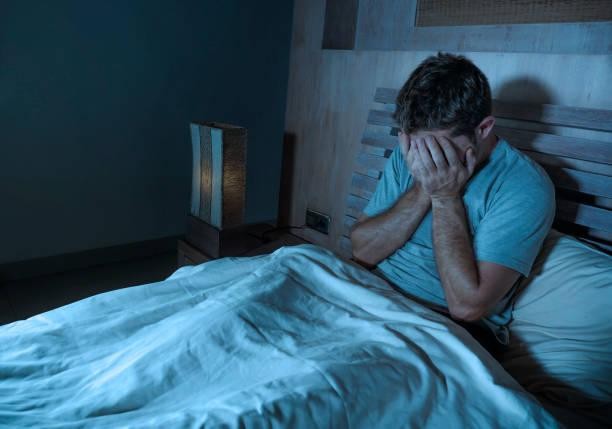
Tired of being tired? Find out what’s actually keeping you up.
Book a consultation with Dr. Sharada Panse, insomnia doctor in Mumbai. Call or WhatsApp 98704 13477, or book an appointment online.
Causes of Insomnia
Insomnia rarely has single cause. Usually something starts it, and then habits, worry, or another condition keep it going long after the first trigger is gone. The common drivers:
Stress and anxiety:
The single biggest factor. A racing mind at bedtime, work pressure, monetary burdens, relationship strain, news doomscrolling.
Depression:
Closely linked to insomnia. Either one can lead to the other, and they tend to feed each other.
Irregular schedules:
Shift work, late-night phone use, jet lag, weekend lie-ins that quietly shift your body clock.
Caffeine, nicotine, certain medications:
Stimulants well into the afternoon are a hidden cause more often than people realise.
Alcohol:
Helps you fall asleep, then wrecks the second half of the night. The sleep that follows alcohol is shallow and broken.
Morning headaches:
Especially the dull, pressing kind that fades after breakfast.
Hormonal shifts:
Pregnancy, perimenopause, menopause. Insomnia in women has real biological roots, not just psychological ones.
Bedroom environment:
Too much light, traffic noise, heat, a partner who snores, an old mattress that hurts your back.
Conditioned arousal:
Once you’ve spent enough nights lying awake worrying about sleep, the brain starts pairing “bed” with “wakefulness.” This is one of the biggest reasons insomnia sticks around long after the initial trigger is gone.
Insomnia Treatment Options in Mumbai
The insomnia treatment differs from patient to patient. It’s approached in different ways picked based on what’s actually driving your case. Sleeping pills exist, and currently only beneficial in primary insomnia.. Dr Panse rarely uses them for other types of insomnia because they manage the symptom without fixing the cause.
Cognitive Behavioural Therapy for Insomnia (CBT-I)
The international gold standard for chronic insomnia treatment. CBT-I is a structured, short-term programme — usually 4 to 8 sessions — that retrains your brain’s relationship with sleep. It works on the racing mind, the worry about sleep, the broken habits, and the conditioned arousal that keeps insomnia going. In long-term studies, CBT-I outperforms sleeping pills. And unlike pills, it keeps working after the treatment ends giving long lasting results.
Sleep Hygiene and Schedule Restructuring
Simple yet often underestimated. A fixed wake-up time. No screens close to bed. Controlled light exposure. Getting out of bed if you can’t sleep, instead of lying there. None of it is magic on its own, but it is the foundation that an adjunct to rest of the trreatment.
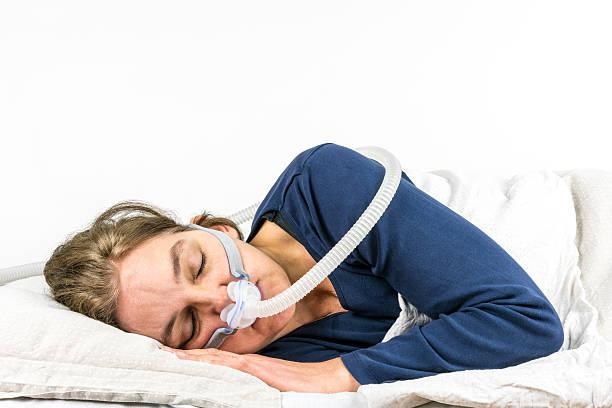
Treating the Underlying Cause
A lot of what looks like insomnia is actually something else — undiagnosed sleep apnea, depression, restless legs, thyroid trouble, perimenopause. Dr. Panse looks for those first, because treating them often fixes the sleep with very little else needed.
Medication, When It’s Genuinely Needed
Short courses of medication have a real role — acute crises, jet lag, a few specific chronic cases. The principle is the smallest dose for the shortest time. Long-term sleeping pill use builds dependence, tolerance and rebound insomnia when you try to stop, so any prescription needs proper assessment before starting drugs.
Light Therapy
For insomnia driven by a body-clock shift — shift workers, frequent travellers, early-morning waking in older adults — controlled exposure to bright light at specific times resets the circadian rhythm. Cheap, well tolerated, and surprisingly effective when it fits the case.
Stop white-knuckling through another bad night. Get a proper assessment.
Consultation hours: Tue & Sat, 9–10 am | Wed, 6–7 pm. Call or WhatsApp 98704 13477
Why Choose Dr. Sharada Panse for Insomnia Treatment in Mumbai
Plenty of doctors will hand out a prescription for sleeping pills in five minutes. That isn’t insomnia treatment. That’s symptom suppression. As a sleep specialist in Mumbai, Dr. Panse offers something different.
Fellowship-trained in sleep medicine:
Her fellowship was completed at St. John’s Medical College, Bangalore, one of the very few centres in India running three full sleep laboratories. Real exposure to chronic insomnia, not just textbook cases.
Looks for the real cause first
Many “insomnia” patients actually have undiagnosed sleep apnea, depression, restless legs, or hormonal causes. Treating those usually fixes the sleep.
CBT-I-informed approach:
She uses the evidence-based, non-medication-first strategy that’s now standard in sleep clinics worldwide.
Medication used carefully, not casually:
Short courses, clear exit plans, no automatic repeat prescriptions.
Time in the consultation:
A proper insomnia diagnosis takes detailed history-taking. Five minutes isn’t enough, and she always wants to know more about the patient.

Get In Touch
FAQs
Can insomnia be cured?
For most people, yes. CBT-I combined with treatment of any underlying medical or psychological causes brings real, lasting improvement in the majority of chronic cases. Few patients need lifelong medication.
When should I see a doctor for insomnia?
If you’ve had trouble sleeping at least three nights a week for over more than three months, or if it’s affecting your work, mood, relationships, or driving safety, book in. Don’t wait years — chronic insomnia gets harder to treat the longer it runs.
Can insomnia be treated without sleeping pills?
Yes, and it usually should be. CBT-I, sleep schedule work, and treating any underlying medical issue handles most cases without medication.
What’s the difference between acute and chronic insomnia?
Acute insomnia lasts days to a few weeks and is usually tied to a clear trigger. Chronic insomnia happens three or more nights a week for at least three months and needs a different, more structured approach.
Are sleeping pills addictive?
Many commonly prescribed sleep medications can cause dependence and tolerance with regular use, along with rebound insomnia when you try to stop. Short-term use under proper medical guidance is generally safe.
Where can I get insomnia treatment in Mumbai?
At Shushrusha Citizen’s Co-operative Hospital, Dadar (West). Dr. Panse consults Tuesday and Saturday mornings, and Wednesday evenings. Call or WhatsApp 98704 13477, or book an appointment online.
Disclaimer: The information shared in this content is for educational purposes and not for promotional use.