
Parasomnia Treatment in Mumbai
Parasomnia disorders involve unusual behaviors, movements, or experiences that occur while falling asleep, during sleep, or upon waking. Sleepwalking is the best known. Night terrors, confusional arousals, sleep-related eating disorder, and acting out dreams are others. Only sleep talking is considered as a normal variant.
It's not uncommon and doesn't necessarily cause a problem. If it is repeated, injurious, or the body does not feel rested, it is worth investigating further, as the sleep behaviour is just the tip of the iceberg.
What Is Parasomnia?
Snoring is a noisy breathing sound produced as a result of partial obstruction of airflow through the mouth and nose while sleeping. When air passes through the narrowed tissues in the throat, vibration in the surrounding structures results in the snoring sound.
The degree of severity of snoring varies from mild and occasional to loud and frequent. Though simple snoring may be attributed to temporary issues such as a stuffy nose or sleeping position, severe snoring may require medical evaluation.
Snoring might sometimes be related to obstructive sleep apnea condition in which the breathing process is interrupted due to narrowing or closure of the airway.
Symptoms of Parasomnia
Symptoms depend on the type. Family members often notice them before the person does, because the sleeper remembers little or nothing.
During the night
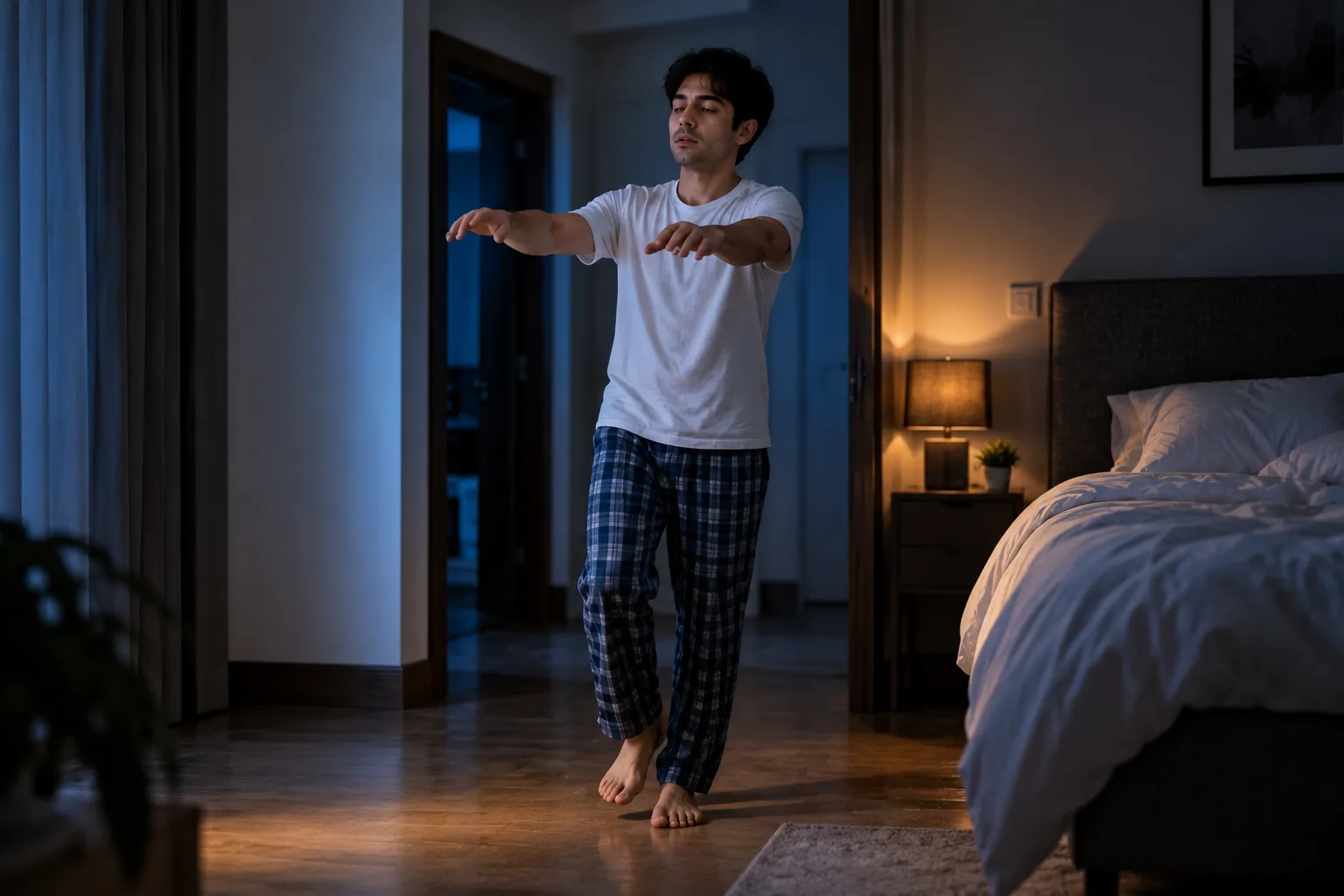
Standing up and walking around, sometimes outside of the room or house (as in sleepwalking)
Talking, shouting, laughing or crying while asleep
Sudden screaming with fear, sweating and a racing heart (sleep terrors)
Sudden screaming with fear, sweating and a racing heart (sleep terrors)
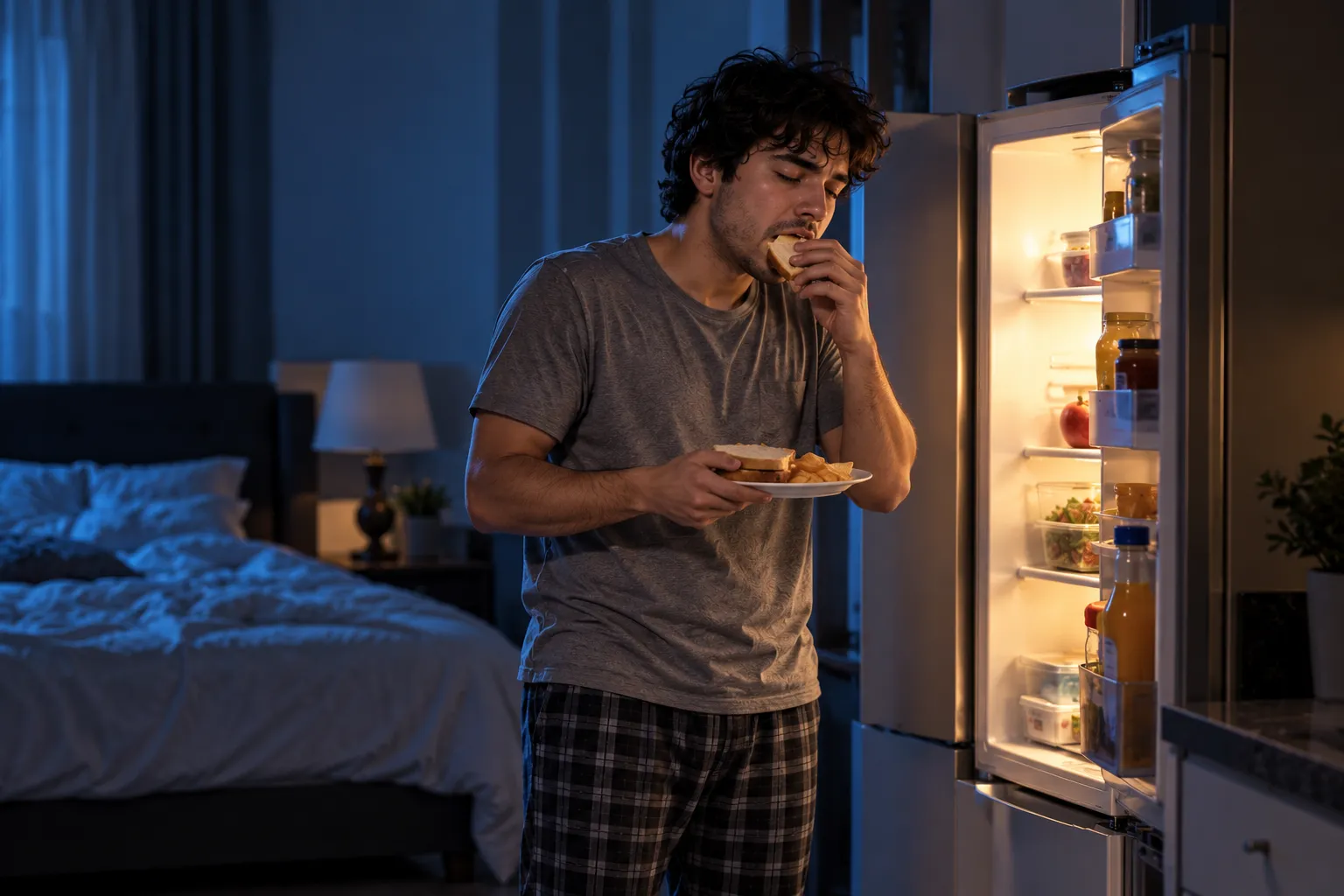
Eating or drinking while asleep
Being unable to move or speak for a short while on falling asleep or waking
Repeated, vivid nightmares
Unusual sleep behavior that keeps repeating?
On waking and the next day
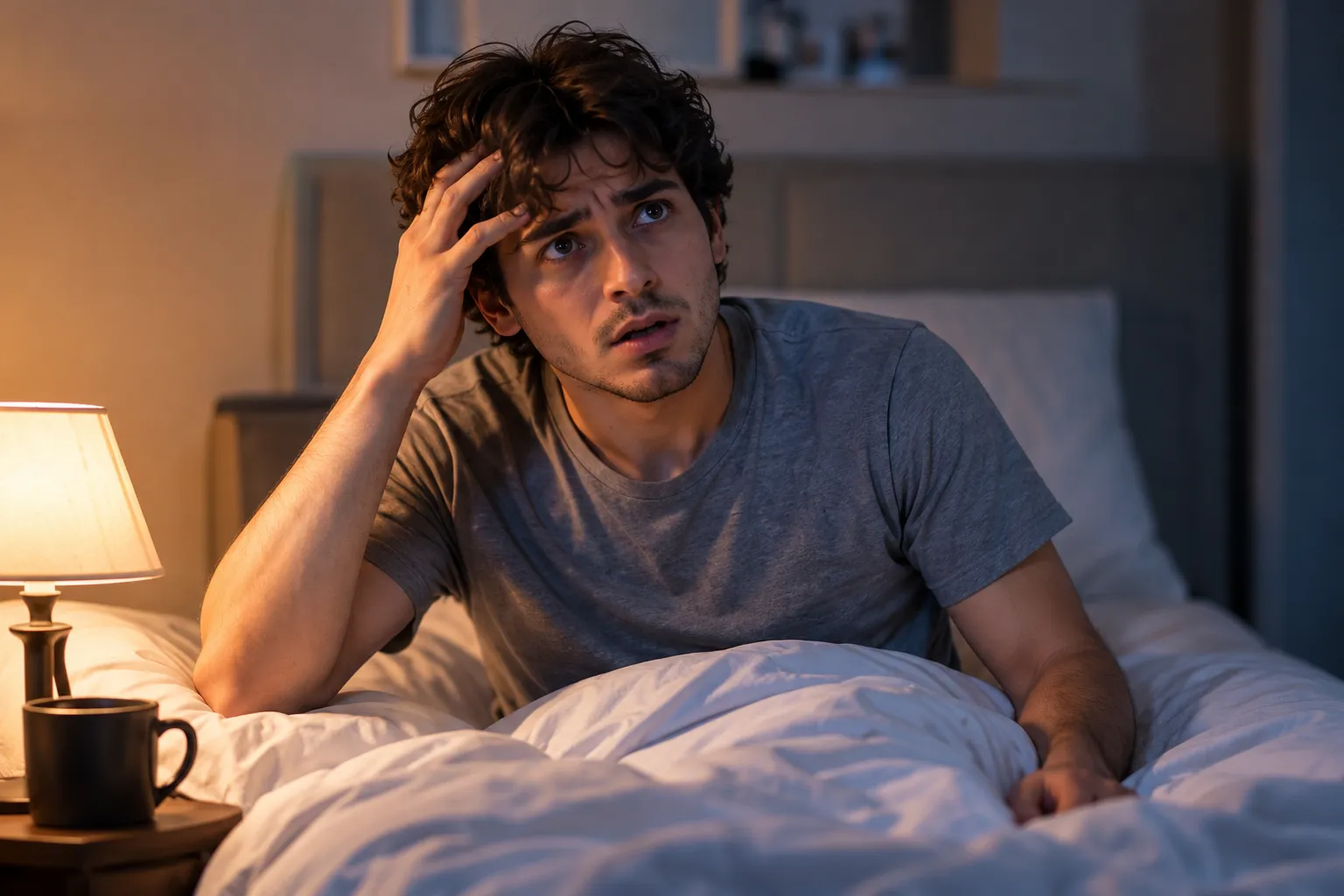
Confused, disoriented or frightened upon waking
There is no memory of what happened over night.
Injuries, bruises or items that seem out of place that cannot be explained.
Excessive daytime sleepiness or sleepiness and general tiredness, even after a full night's sleep.
Depressed feelings, diminished concentration at work or school
Sleeping difficulty due to concern about sleep or a partner/parent sleeping lightly because of their concern
Causes and Triggers of Parasomnia
It's typically not one cause. Parasomnias are more likely to occur when there is an interference with a normal transition between wakefulness, non-REM sleep, and REM sleep. There's a role for genes, and children are at greater risk thanks to their maturing sleep cycles.
Common triggers
Alcohol close to bedtime
Stress and anxiety
Too little sleep or an irregular sleep schedule (shift work, jet lag, late nights)
Fever or illness
Noise or touch during sleep
Another sleep problem that keeps breaking up sleep
Parasomnia Treatment Options in Mumbai
No one remedy applies to all parasomnias. The aim of care is to minimise the frequency of episodes and ensure the safety of the person and their home. It is based on the type of parasomnia, the frequency, the risk of injury, age, and any underlying disease.
Treating the trigger
Correcting sleep loss, stress, alcohol use, or other sleep disorders like sleep apnea or restless legs often decreases episodes.
Sleep routine and sleep hygiene
Consistent bedtime and morning routine, adequate amount of sleep time in bed, cool, dark room and no caffeine or excessive exercise near bedtime.
Bedroom safety
some simple changes to reduce the risk of injuries occurring during sleepwalking or dream enactment (see below for more information on the safety section).
Behavioral treatments
cognitive behavioral therapy and other behavioral therapies such as relaxation training, and, for recurrent nightmares, imagery rehearsal therapy.
Medicines
not the first step. A doctor may consider them when episodes are frequent, cause injury or do not settle with other measures affecting quality of life. Options include melatonin, clonazepam and some antidepressants, chosen after evaluation. Never self-medicate for sleep behaviors.
Review of current medicines
if a medicine is contributing, the prescribing doctor may adjust it.
Parasomnia in children
most childhood episodes will pass with the passage of time and require only reassurance, a regular schedule and safety precautions. If episodes occur regularly or interfere with daytime functioning, a paediatric consultation is recommended. Children seldom require medicines.
Follow-up
the plan is reviewed at follow-up visits as episodes can change with age, stress, new medicine or new health condition.
Sleepwalking or night-time episodes disturbing
your family's sleep?
Prevention and Sleep Safety at Home
Not every cause can be prevented, such as genetics or a neurological condition. Good sleep habits lower the chance of episodes, and a few home changes lower the chance of harm.
Maintain normal daily sleep-wake rhythm and ensure adequate sleep at night.
Keep alcohol intake to a minimum and refrain from non-prescribed drugs, particularly before bedtime.
Discuss medications that can interfere with sleep with your doctor.
If possible, sleep on the ground floor. Do not use bunk or loft beds and keep the bed low.
Remove sharp-edged furniture and lamps from the bed, or cover them with padding.
Fit alarms or secure locks on doors and windows.
Keep sharp objects, tools and anything dangerous locked away.
Do not try to wake a sleepwalker with an alarm.Do not alarm a sleepwalker, guide him/her gently back into bed.
Living With Parasomnia: When to See a Sleep Specialist

Consider a consultation if:
Episodes happen often or are getting more frequent
An injury has occurred or there is a risk of injury
Wakes confused, or unable to move when waking
You sleep poorly or are tired during the day.
Violent sleep behavior or dream-enacting (begin in adult life)
Episodes occur often, are prolonged or disrupt school or daytime mood.
What to bring to the first visit ?
- A list of all medicines and supplements
- A one- to two-week sleep diary, if you can
- A short phone video of an episode, if one has been recorded safely
- A family member or partner who has seen the episodes
What to Check Before Choosing a Doctor for Parasomnia Treatment
If sleepwalking or other unusual sleep behavior is affecting you or your family, it helps to know what a sound evaluation looks like.
Medical qualifications
The doctor's qualifications and medical registration (SMR/NMR number) should be checked.
Sleep medicine training
Parasomnia disorders can look like night-time seizures, sleep apnea or side effects of medicines. Before recommending treatment, the doctor should be able to distinguish them from each other.
Thorough evaluation
A comprehensive evaluation consists of a detailed history, a family history, a sleep history, and a medication and test history (if necessary).
Patient safety
Bedroom safety, possible side effects, and precautions for children and older people should be discussed, particularly prior to the initiation of any medication.
No undue expectations
A realistic approach won't guarantee that all episodes will disappear or that results will be long-lasting.
Cost and follow-up
The consultation fee, the cost of any sleep study and the schedule of follow-up visits should be clarified. [
Individuals who experience sleepwalking that is common or those who act out dreams in adulthood may want to ask if a sleep study is recommended. Your sleeping problem can be evaluated by a qualified sleep specialist who will be able to discuss the options.
Get In Touch
Shushrusha Citizens’ Co-operative Hospital Ltd, 698-B, Ranade Rd, W, Dadar, Mumbai, Maharashtra 400028
FAQs
Is sleepwalking dangerous?
It can be, because the sleeper may fall, leave the house or handle objects while not fully aware. Most episodes end without harm, but repeated sleepwalking is a reason for bedroom safety measures and a medical evaluation.
Can adults sleepwalk?
Yes. Sleepwalking or somnambulism is more common in childhood, but it can continue into adulthood or appear for the first time in adult life, often alongside sleep loss, stress, certain medicines or another sleep disorder.
Should I wake someone who is sleepwalking?
It is generally safer to guide them gently back to bed. Shouting or shaking can frighten them, though the main priority is keeping them safe.
What is the difference between sleepwalking and REM sleep behavior disorder?
Sleepwalking arises from deep non-REM sleep, usually early in the night, and the person is often confused. In REM sleep behavior disorder the person acts out a dream later in the night, and may wake alert and able to describe the dream.
Is parasomnia a mental illness?
No. Parasomnia disorders are sleep disorders. Stress and anxiety can act as triggers, and mental health conditions can be linked to some types, but the behaviors are not a sign of weakness or of being unwell mentally.
Will my child outgrow sleepwalking or night terrors?
Many children do, as their sleep matures. See a doctor if episodes are frequent, last long or affect daytime functioning.
Can parasomnia be cured?
There is no single cure for all parasomnias. Treating triggers and linked conditions, improving sleep habits and making the bedroom safe can reduce episodes, and the right approach depends on the type.
Which doctor treats parasomnia disorders?
A sleep specialist usually evaluates parasomnia. Depending on the findings, a neurologist, pediatrician or mental health professional may also be involved.
Medical content references: Cleveland Clinic: Parasomnias, Sleep Foundation: Parasomnias, American Academy of Sleep Medicine: Parasomnias.
Disclaimer: The information shared in this content is for educational purposes and not for promotional use.