
Narcolepsy Treatment in Mumbai
You slept eight hours last night, and you are still dragging yourself through the morning. By afternoon, your eyes are closing in the middle of a meeting. On the way home, you doze off on the train and wake up two stations past your own.
Most people around you will call it laziness, or tell you to sleep earlier. Some of you have heard it for so long that you have started to believe it. But sleepiness that refuses to go away, however much you rest, is not a discipline problem. For a few people, it maybe narcolepsy.
It is a neurological condition, and it is not very common than it is diagnosed. People often live with it for years, sometimes being treated for depression or stress, before anyone thinks to look at their sleep disorder”s lens.
That question is where Dr. Sharada Panse begins. She’s a fellowship-trained sleep specialist in Mumbai, and narcolepsy is one of the conditions she sees regularly in her practice of sleep disorder treatment in Mumbai.. Find the real cause first. Then treat it.
What Is Narcolepsy?
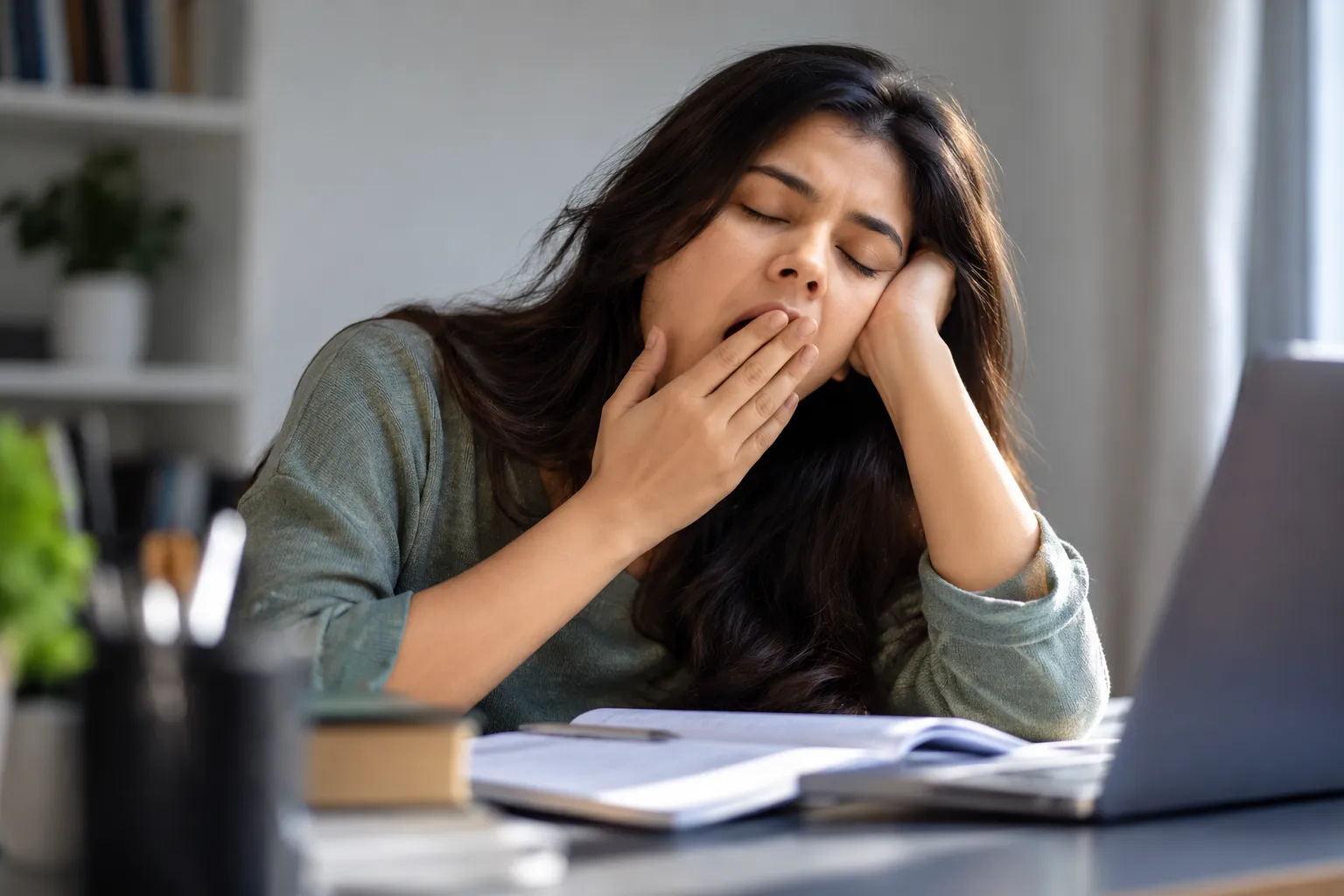
Put simply, narcolepsy is a long-term sleep disorder in which the brain can’t hold the line between being asleep and being awake. Sleep pushes in when it shouldn’t. Bits of dreaming sleep leak into the day. None of this is in your head, in the dismissive sense. There’s a physical reason behind it, and treatment helps.
Sleep doctors split it into two types.
Type 1
Comes with cataplexy, a sudden, brief loss of muscle tone set off by emotion. Laughter is the classic trigger. Someone shares a joke and, for a few seconds, their knees buckle or their jaw goes slack. Type 1 is tied to a shortage of hypocretin, a brain chemical that keeps us alert.
Type 2
Has the same crushing sleepiness but no cataplexy. That’s exactly why it gets missed. It looks like ordinary exhaustion, and most people, doctors included, treat it that way.
It usually starts somewhere in the teens or twenties, though it can turn up later too. Because it creeps in slowly, people adapt. An extra coffee. A nap in the car at lunch. They manage, until one day they can’t.
Symptoms of Narcolepsy
Everyone talks about the sleepiness. It’s rarely the whole picture, though, and some of the other symptoms feel so strange that people never mention them to a doctor at all.
During the day
- Sleepiness almost every single day, even after a decent night
- Falling asleep mid-task: at your desk, over dinner, sometimes while talking to someone
- Knees, jaw, neck or arms suddenly going weak when you laugh, get a fright or feel something strongly. You stay fully conscious. Your body just stops cooperating for a moment
- A foggy, slowed-down head, and forgetting things you knew five minutes ago
- “Automatic behaviour”, where you keep typing, driving or tidying up and later have no memory of doing it
- Snapping at people, feeling low, falling behind at work or college
At night
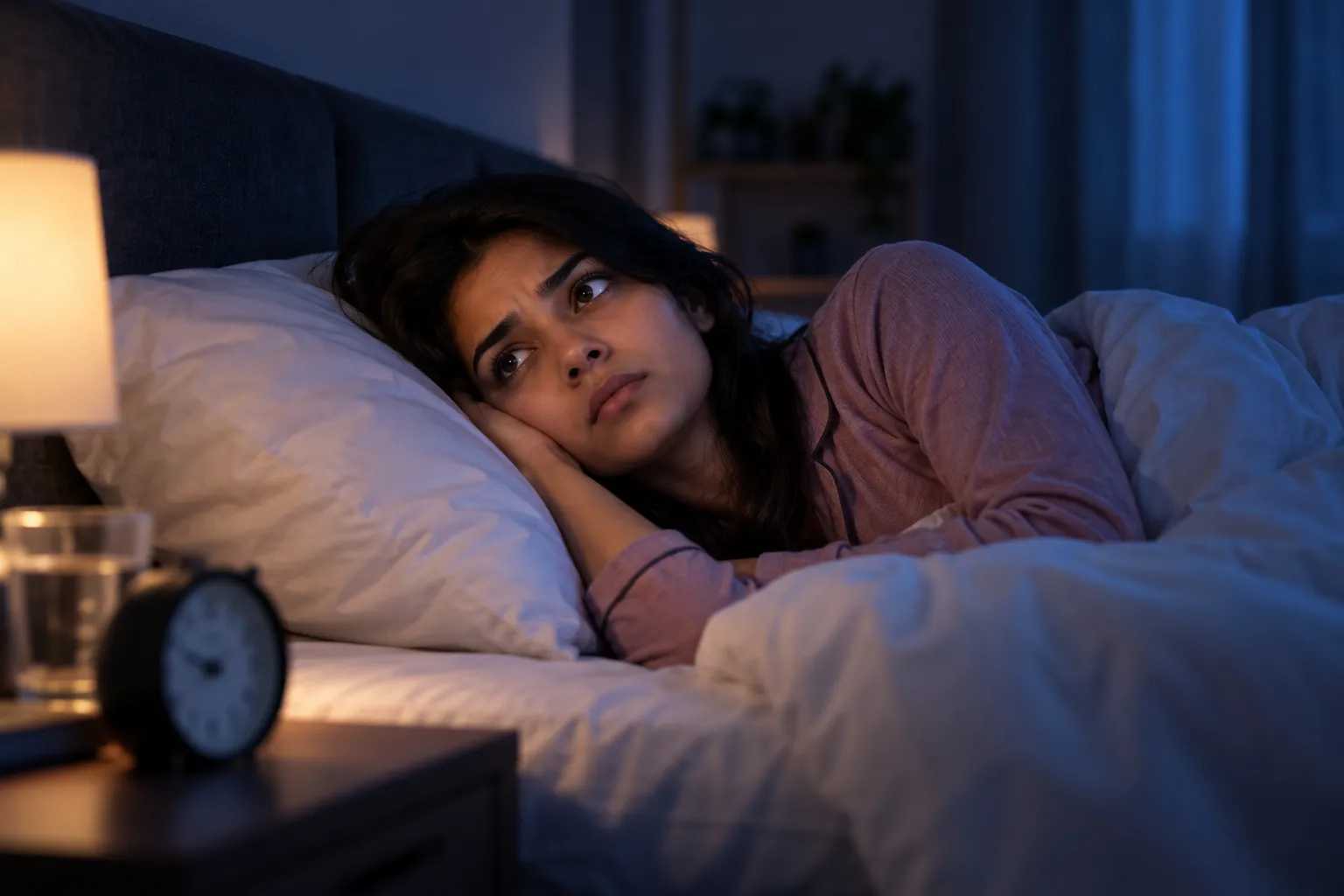
- Dropping off fast, then waking up again and again
- Sleep paralysis. You’re awake, you know you’re awake, and you can’t move or speak. It lasts seconds but feels far longer
- Hallucinations right at the edge of sleep, such as a figure in the room or a voice, that seem completely real
- Dreams that start almost the moment your eyes close
- A 15-minute nap that leaves you oddly fresh, but only for an hour or two
Always tired, and nobody can tell you why?
Book a consultation with Dr. Sharada Panse, narcolepsy and sleep specialist in Mumbai. Call or WhatsApp 98704 13477.
Causes of Narcolepsy
The honest answer is that science has not pinned down a single cause. It is an autoimmune sleep disorder. It is also linked to genetics in few cases.
In type 1, the small cluster of brain cells that make hypocretin gets damaged or lost. The leading theory is that the immune system attacks them by mistake. Genes matter a little, since some people carry markers that raise their risk. Even so, most patients have nobody else in the family with narcolepsy. Occasionally it shows up after an infection, around puberty, or after months of heavy stress. Very rarely, a head injury or another brain condition is to blame.
A word of caution before you self-diagnose. Lots of things make people sleepy. Sleep apnea is a big one. So are chronic short sleep, depression, an underactive thyroid, restless legs, night shifts and some common medicines. Any of these can look a lot like narcolepsy, which is why the label should only come after a proper workup.
Narcolepsy Treatment Options in Mumbai

Let’s be straight about it: narcolepsy can’t be cured yet. It can be controlled, though, and controlled well. Once the right plan is in place, most of Dr. Panse’s patients get back to work, study and family life. What that plan looks like depends on you: your symptoms, your age, your job and your general health.
Medicines
For daytime sleepiness, there are wakefulness-promoting medicines that keep you alert through the day. Which one, and at what dose, depends on your symptoms and any other health issues, and it gets fine-tuned over your follow-up visits. If you have cataplexy, sleep paralysis or hallucinations, other medicines can cut down how often they happen. A few of them work on more than one symptom.
Scheduled naps
It sounds too simple to work. It does work. One or two planned naps of 15 to 20 minutes, at fixed times, take the edge off the afternoon slump for a lot of patients. It costs nothing.
Sleep routine and daily habits
Same bedtime and same wake-up time, even on Sundays. A dark, cool bedroom. Chai and coffee timed so they help during the day without spoiling the night. Lighter dinners, no alcohol late in the evening, some regular exercise. And, where you can, saving the hardest work for the hours you feel sharpest.
Other sleep problems
Narcolepsy sometimes brings company, such as sleep apnea, restless legs or insomnia. Treating those too can change how you feel quite a bit.
Practical guidance
Dr. Panse will talk you through driving, what to tell your employer or college, and how to explain the condition to family members who may not understand it.
Follow-up
This is a lifelong condition, so the plan isn’t set in stone. Regular reviews let her adjust medicines safely as life changes: a new job, a pregnancy, simply getting older.
Another day spent fighting to stay awake? You don’t have to keep doing this.
Consultation hours: Tue & Sat, 9–10 am · Wed, 6–7 pm. Call or WhatsApp 98704 13477.
Why Choose Dr. Sharada Panse for Narcolepsy Treatment in Mumbai

Ask people with narcolepsy how long it took to get a diagnosis and you’ll often hear one word: years. Along the way they were told they were tired, stressed or simply not trying hard enough. Here’s what changes when you see Dr. Panse.
Proper training in sleep medicine
She did her fellowship at St. John’s Medical College, Bangalore, one of the few places in India with several full sleep labs under one roof. That meant seeing the unusual, complicated cases, not only the textbook ones.
No rush to a label
Sleep apnea, depression, thyroid trouble: she checks for the look-alikes first, so the diagnosis you leave with is the right one.
A plan that's actually yours
A college student and a software engineer on night shifts need very different things. Your treatment is worked out around your symptoms, your job and how your day really runs.
Medicines, used with care
Started at sensible doses, reviewed often and adjusted when needed. The aim is the most benefit with the fewest side effects.
Management of Associated Sleep Concerns
Sleep quality, daytime symptoms and related health factors are considered while planning treatment.
Time
A narcolepsy history can’t be taken in five minutes, and she doesn’t try to. You’ll be properly heard.
As a sleep specialist in Mumbai, Dr. Panse stays with you from the first consultation through long-term follow-up.
Get In Touch
FAQs
Can narcolepsy be cured?
Not yet. It is very treatable, though. With the right medicines, planned naps and a few lifestyle changes, most people get their symptoms under good control and carry on with work, study and family life.
What are the early signs of narcolepsy?
Sleepiness that sleep doesn’t fix. That’s usually the first clue. Other signs to watch for are sudden sleep attacks, muscles going weak when you laugh, sleep paralysis, and very vivid images or sounds as you nod off or wake up.
When should I see a doctor?
If you’ve been sleepy most days for more than a few weeks, keep dozing off at odd moments, or your body goes weak with emotion, book a visit with a sleep specialist. And if it’s already affecting your driving, your job or your exams, please don’t wait.
How is narcolepsy different from ordinary tiredness?
Normal tiredness lifts after a good night’s sleep or a lazy weekend. Narcolepsy doesn’t. The sleepiness is heavier, it returns every day, and it often brings sleep attacks, cataplexy or sleep paralysis along with it.
Which tests are needed to diagnose narcolepsy?
Generally a detailed history, a sleep diary, an overnight sleep study (polysomnography) and an MSLT the following day. These also help rule out other causes, sleep apnea in particular.
Is narcolepsy the same as epilepsy or a mental health problem?
No. Narcolepsy is a neurological sleep disorder, separate from epilepsy, and it isn’t psychological. That said, living with it can be hard, and low mood or anxiety sometimes tag along.
Is it safe to drive with narcolepsy?
Driving while drowsy is genuinely dangerous, for you and for everyone else on the road. Whether you can drive safely depends on how well your symptoms are controlled, and Dr. Panse will discuss this with you openly.