

If you are sleepy after a bad night's sleep, it is normal, but if you are sleepy every day after seven or eight hours of sleep in bed it is not normal. If sleepiness persists for more than 2 to 3 weeks, it is likely that you are having some sort of sleep disturbance or underlying condition, typically undiagnosed sleep apnea, out of sync sleep-wake cycle, medication, low iron, low thyroid or a primary sleep disorder.
According to Dr. Sharada Panse - Sleep Specialist in Mumbai: “Persistent daytime sleepiness, even after getting a good sleep is a symptom which is worth investigating and not a weakness; the first step towards the diagnosis is a proper assessment of sleep.”
Understanding Normal vs Persistent Sleepiness
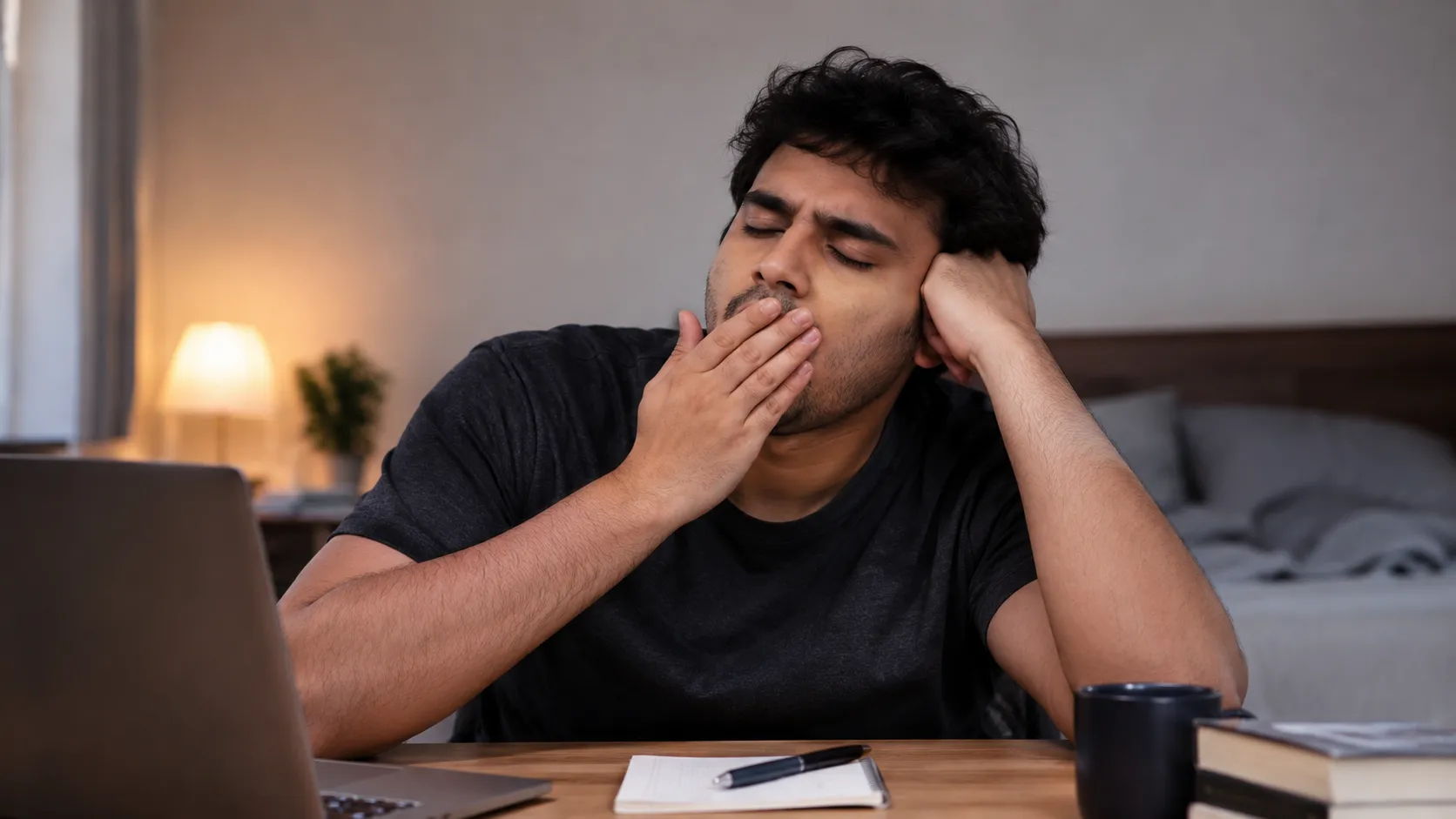
A sleepy haze after a late night, a stressful week or a large meal can happen from time to time and the blaze will fade when you get the sleep you need. Persistent sleepiness is a different thing. There are two complaints doctors split:
- Sleepinessis an inclination towards sleep, especially during meetings, on the way to work or when reading.
- Fatigueis when you feel low on energy or motivation and are still unable to get to sleep.
Sleepiness indicates sleep disturbance, fatigue with no sleepiness indicates anaemia, thyroid condition, depression or chronic illness. Plus, hours in bed do not necessarily equal hours of sleep: If you spend eight hours sleeping but wake up during the night to breathe, move your legs, listen to music, or drink a glass of wine, the duration of sleep may not be as restful as you think.
If sleepiness persists, this can be evaluated in a sleep centre. A quick test is the Epworth Sleepiness Scale, which includes questions such as how easily you fall asleep when reading, watching TV, sitting in meetings or stopped in traffic.
The Sleepiness Timeline: What Is Normal?
Phase | What you will likely feel | Normal or not |
After one poor night | Sleepy, low focus, craving caffeine | Normal: settles after a full night’s sleep |
1–2 weeks of short sleep or stress | Afternoon dips, need for catch-up sleep | Common: improves with a fixed routine |
2–3 weeks or more, despite 7–8 hours | Daily sleepiness, unrefreshing sleep | Not normal: get evaluated |
Any time | Dozing while driving, gasping at night, weakness with laughter | Not normal: see a doctor promptly |
This timeline is a general guide. Individual patterns depend on the underlying cause.
Common Causes of Persistent Sleepiness
- Obstructive sleep apnea:airway blocks regularly during sleep, leading to short periods of wakefulness that you may not remember. Symptoms are noisy snoring, gasping, headaches in the morning and high blood pressure. It's confirmed by a sleep study.
- Fragmented sleep:noise, warm room, late screen time, afternoon caffeine, frequent night urination or alcohol can disrupt sleep.
- Irregular schedule:sleeping at 11 pm on weekdays and 3 am on weekends, or working night shifts, confuses your body clock.
- Unnoticed insomnia:chronic insomnia may manifest as lethargy and poor concentration in the day, and irritability.
- Restless legs:a tendency to move your legs during the evening keeps you awake and they can make sleep fitful. It is known that low iron is a contributor.
- Narcolepsy:A neurological condition characterized by sudden sleep attacks, muscle weakness with laughter, vivid hallucinations when falling asleep, and sleep paralysis. Narcolepsy is often missed for years.
- Idiopathic hypersomnia:A sleep disorder characterized by hypersomnia, including sleeping 10 to 12 hours, long unrefreshing naps, and groggy waking, with no other underlying cause identified.
- Medicines and substances:some antihistamines, sedatives, antidepressants, anti-seizure drugs and blood pressure tablets cause drowsiness. Don't discontinue a prescription drug without your doctor's advice.
- Medical conditions:iron deficiency, an underactive thyroid, low vitamin B12 or D, diabetes, and kidney, liver, heart or chronic lung disease can all cause sleepiness.
- Depression and anxiety:low mood can lead to less (or more) sleep and anxiety will keep the mind awake at night.
Several causes can co-exist, which is why a proper evaluation matters.
When to Seek Medical Advice
Discuss these signs with a doctor:
- Often feel sleepy many days for more than 2-3 weeks, even with sufficient sleep
- Snoring, gasping or choking at night, or observed breathing pauses
- Falling asleep in unsafe situations, such as while driving
- Sudden muscle weakness with laughter or emotion or sleep paralysis
- Morning headaches or hard-to-control blood pressure
- Low mood, or sleepiness that began after starting a new medicine
Evaluation typically begins with a thorough sleep history, an examination and blood work including haemoglobin, iron, thyroid function, vitamin B12, vitamin D and blood sugar. A sleep study then confirms or excludes sleep apnea and other sleep disorders, and in some cases, daytime testing is helpful in the diagnosis of narcolepsy or idiopathic hypersomnia.
Safety note: if you feel sleepy while driving, avoid driving and arrange an evaluation soon.
Tips for Better Sleep and Energy

- Keep a fixed wake-up time, even on weekends.
- Get morning sunlight early in the morning.
- Keep caffeine out of your diet after mid-afternoon and alcohol close to bedtime.
- Keep naps to 20–30 minutes, before mid-afternoon.
- Keep the bedroom dark, cool and quiet with no screens for an hour before sleep.
- Keep a two-week sleep diary of bedtimes, awakenings, naps and sleepiness; it helps your doctor.
Good habits will not help cure a sleep disorder, but they will eliminate everyday causes. If two to three weeks of these changes passes with no change, it is unlikely that habits are the culprit.
Treatment will vary depending on the cause: CPAP for sleep apnea, CBT-I for insomnia, naps scheduling for narcolepsy and hypersomnolence, and treating the underlying cause of iron, thyroid or mood issues.
Conclusion
Helplessness in feeling sleepy each day after adequate sleep is common but not normal. Quality of sleep is just as important as quantity and many of the reasons can be treated once they are determined.
If sleepiness lasts beyond two to three weeks, affects your safety, or comes with snoring, gasping or sudden weakness, seek evaluation early rather than waiting it out.
FAQs
Can sleep apnea make me sleepy if I don’t snore?
Yes. Unrefreshing sleep, morning headaches, night-time urination and daytime sleepiness may be the main signs. A sleep study confirms the diagnosis.
Is sleeping 12 hours normal?
Some people need more sleep, but regularly needing 10 to 12 hours and waking unrefreshed can point to hypersomnolence, depression, thyroid problems or sleep apnea.
Can a vitamin deficiency make me sleepy?
Low iron, B12 or D can contribute to fatigue. A blood test shows whether this applies; supplements without testing are not advisable.
Does napping help?
A 20 to 30 minute nap early in the afternoon can. Long or late naps worsen night sleep, and needing long naps daily is itself a reason to see a doctor.
Which doctor should I see?
A sleep specialist is a good starting point. Your family physician can begin with blood tests and refer you.
