

CPAP Treatment in Mumbai
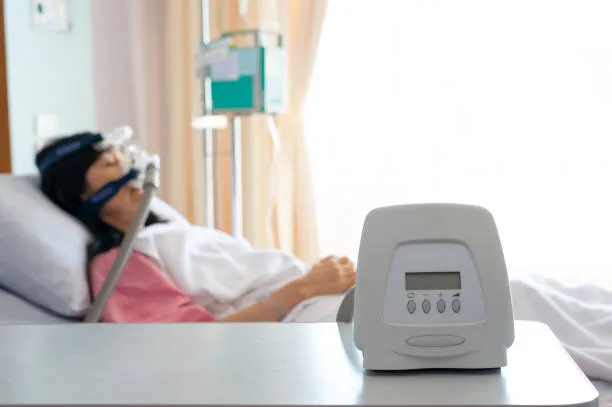
Do you wake up feeling tired despite getting enough sleep? Are loud snoring, breathing pauses, morning headaches or excessive daytime sleepiness affecting your daily routine? These symptoms may be linked to sleep apnea, a condition where breathing repeatedly stops or becomes reduced during sleep. CPAP treatment is one of the most widely used therapies to help keep the airway open and improve breathing patterns during sleep.
According to Dr Sharada Panse, a prominent sleep specialist in Mumbai, “CPAP therapy is most effective when it is personalised according to the patient’s condition, comfort and lifestyle. Proper device selection, mask fitting and regular follow-up play an important role in helping patients adapt to therapy and achieve better sleep outcomes.”
Dr Sharada Panse offers specialised CPAP Treatment in Mumbai at Nidra Health Clinic, helping patients with sleep apnea understand and adapt to positive airway pressure therapy. With experience in sleep and respiratory medicine, she focuses on selecting suitable CPAP solutions, addressing therapy-related concerns and supporting patients throughout their treatment journey. Her approach combines clinical evaluation with personalised guidance to improve treatment comfort and effectiveness.
How does CPAP help improve sleep quality? Let’s understand how this therapy supports better breathing during sleep.
What Is CPAP Treatment?
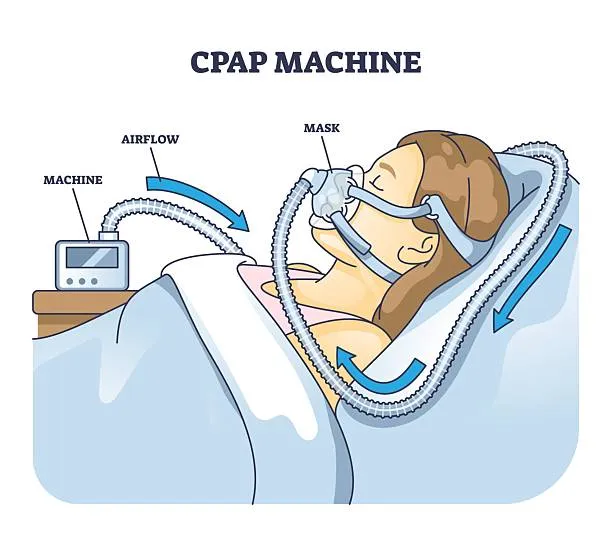
Continuous Positive Airway Pressure (CPAP) therapy is a treatment that uses gentle air pressure to prevent the airway from collapsing during sleep. It involves a small machine connected to a mask that delivers a continuous flow of pressurised air through the nose, mouth or both.
In obstructive sleep apnea, throat muscles relax during sleep and block airflow. CPAP works as a pneumatic splint that keeps the airway open, allowing uninterrupted breathing throughout the night.
A CPAP system usually includes:
CPAP machine
Mask
Tubing
Filters
Humidification system (if required)
CPAP therapy is considered the gold standard treatment option for many patients with moderate to severe obstructive sleep apnea.
Is CPAP suitable for everyone with sleep problems? Let’s explore who may benefit from this treatment approach.
Who May Need CPAP Therapy?
At Nidra Health Clinic, Dr. Sharada Panse may recommend CPAP therapy in Mumbai for patients with:
Moderate to Severe Obstructive Sleep Apnea
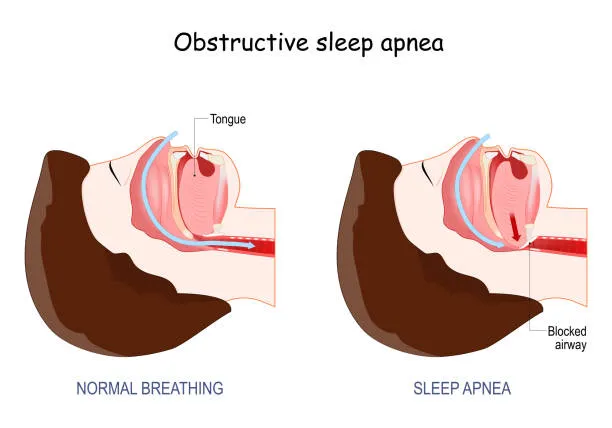
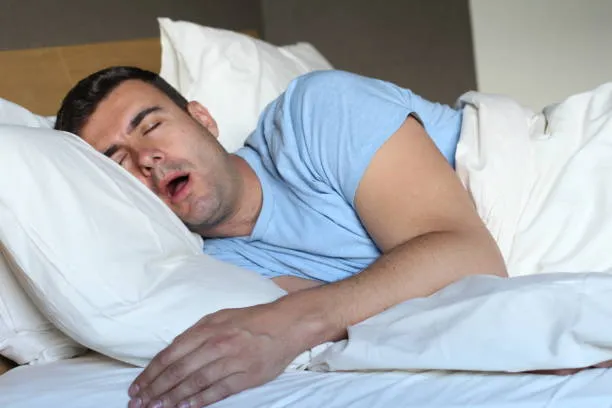
Patients with frequent breathing interruptions during sleep often benefit from CPAP to maintain upper airway stability.
Significant Daytime Symptoms

People experiencing excessive daytime sleepiness, poor concentration, fatigue or reduced alertness may require treatment if sleep apnea is confirmed.
Oxygen Level Drops During Sleep
CPAP may help improve oxygen levels when breathing interruptions cause repeated drops during sleep.
Associated Health Conditions

Patients with sleep apnea along with conditions such as high blood pressure, cardiovascular concerns or metabolic disorders may benefit from effective management.
Difficulty With Other Treatments

CPAP may be considered as an adjunct to lifestyle changes, positional therapy or other approaches that do not provide adequate improvement.
Associated Health Conditions
Patients with sleep apnea along with conditions such as high blood pressure, cardiovascular concerns or metabolic disorders may benefit from effective management.
Difficulty With Other Treatments
CPAP may be considered as an adjunct to lifestyle changes, positional therapy or other approaches that do not provide adequate improvement.
A sleep specialist evaluates symptoms, sleep study results and overall health before recommending CPAP therapy.
Better breathing can lead to better sleep quality. Let’s explore how CPAP therapy supports sleep apnea management.
How Does CPAP Therapy Help With Sleep Apnea?
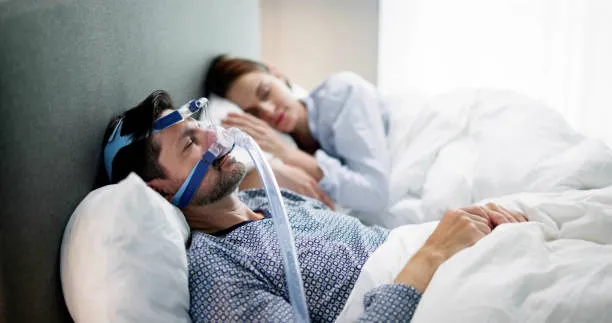
During sleep apnea episodes, the airway may repeatedly narrow or close, causing breathing interruptions. CPAP delivers continuous air pressure that helps prevent airway collapse.
CPAP therapy may help:
Reduce breathing pauses during sleep
Improve oxygen levels
Reduce loud snoring
Improve sleep continuity
Decrease daytime sleepiness
Support better concentration and alertness
“Consistent CPAP use can improve sleep quality and reduce symptoms caused by repeated sleep disruptions,”
-Dr. Sharada Panse, a noted sleep doctor in Mumbai.
Why is CPAP considered an effective treatment for sleep apnea? Let’s discover the advantages of consistent CPAP use.
What Are the Benefits of CPAP Treatment?
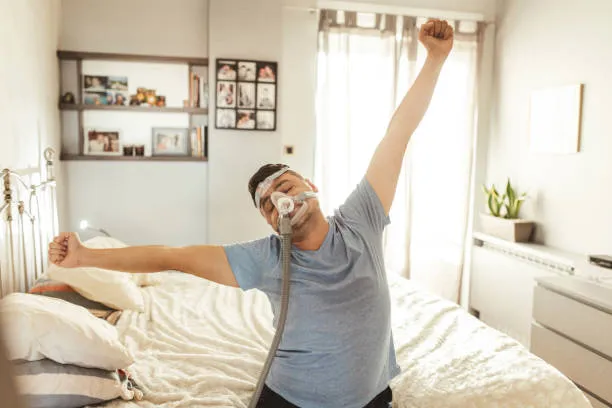
CPAP treatment offers several benefits for people with sleep apnea, including:
Better Sleep Quality
By reducing breathing interruptions, CPAP allows more continuous and restorative sleep.
Improved Daytime Energy
Better sleep quality may help reduce daytime tiredness and improve alertness.
Reduced Snoring
Maintaining an open airway can significantly reduce snoring caused by airway blockage.
Better Oxygen Levels
CPAP helps prevent repeated oxygen drops caused by breathing interruptions.
Improved Long-Term Health Support
Managing sleep apnea effectively may help reduce the impact of untreated sleep-related breathing problems.
Improved Daily Functioning
Better sleep may support concentration, mood and overall quality of life.
Starting CPAP therapy can feel unfamiliar at first. Let’s understand the process of beginning treatment.
How Is CPAP Treatment Started?
CPAP treatment in Mumbai at Nidra Health Clinic usually begins after a confirmed diagnosis of sleep apnea through clinical evaluation and sleep testing.
The process may include:
Sleep Assessment
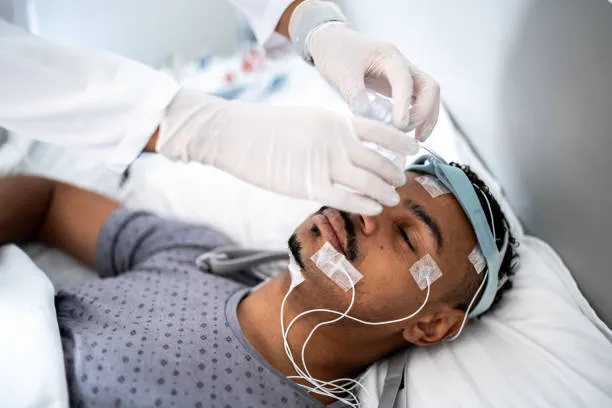
Dr. Sharada Panse reviews symptoms, sleep study results, medical history and severity of sleep apnea.
Selecting the Right Device
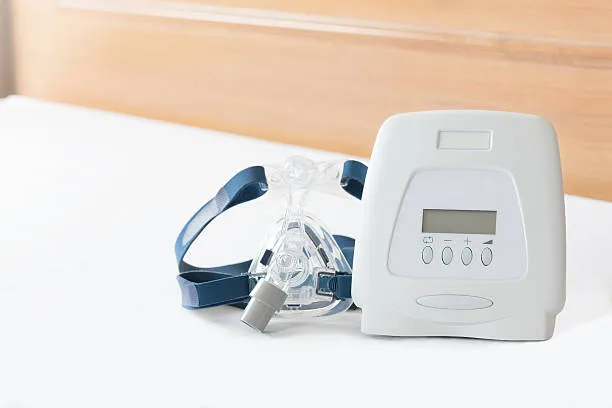
Different CPAP machines, masks and pressure settings may be suitable for different patients.
Mask Fitting
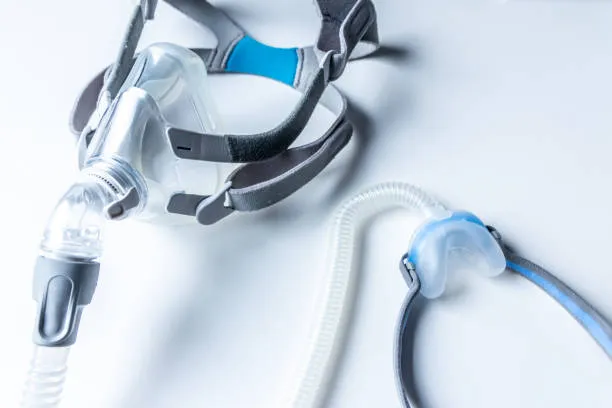
A comfortable mask fit is important to reduce air leakage and improve regular usage.
Therapy Adjustment
Pressure settings may be adjusted based on treatment response and device data.
Patient Education
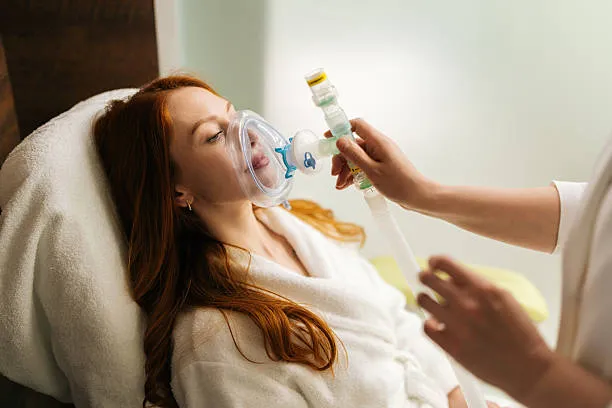
Patients are guided on:
- Using and cleaning the device
- Adjusting to the mask
- Managing common discomforts
- Improving treatment adherence
Therapy Adjustment
Pressure settings may be adjusted based on treatment response and device data.
Patient Education
Patients are guided on:
- Using and cleaning the device
- Adjusting to the mask
- Managing common discomforts
- Improving treatment adherence
Starting therapy with proper guidance improves comfort and long-term success.
Connect with a sleep professional for CPAP evaluation and support.
Are all positive airway pressure therapies the same? Let’s explore the different PAP options used for sleep disorders.
Different Types of PAP Therapy
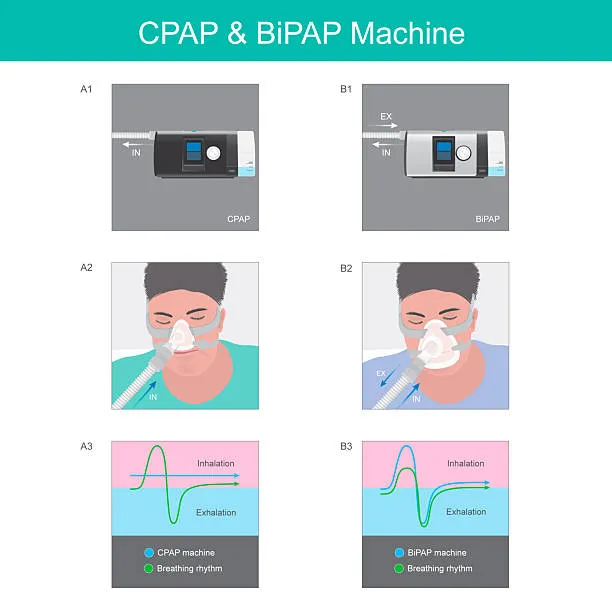
PAP therapy includes different devices designed to support breathing during sleep. The suitable option depends on the patient’s condition, diagnosis and treatment requirements.
CPAP
CPAP delivers continuous fixed air pressure throughout the night and is commonly used for obstructive sleep apnea.
APAP
Auto-adjusting Positive Airway Pressure automatically changes pressure levels in real time based on breathing patterns during sleep.
BiPAP
Bi-level Positive Airway Pressure provides different pressure levels where the positive end expiratory pressure (EPAP) works to open up the airway and inspiratory positive airway pressure (IPAP) works for helping to breathe. It may be considered for selected patients with specific sleep related breathing disorders.
ASV
Adaptive Servo-Ventilation is an advanced therapy option used in selected cases, particularly certain forms of central sleep apnea or neuromascular conditions.
The choice of therapy depends on the type of sleep disorder, medical history and sleep study findings.
Facing difficulties while adjusting to CPAP? Let’s discuss common challenges and ways to improve comfort.
Common Problems While Using CPAP and How They Are Managed
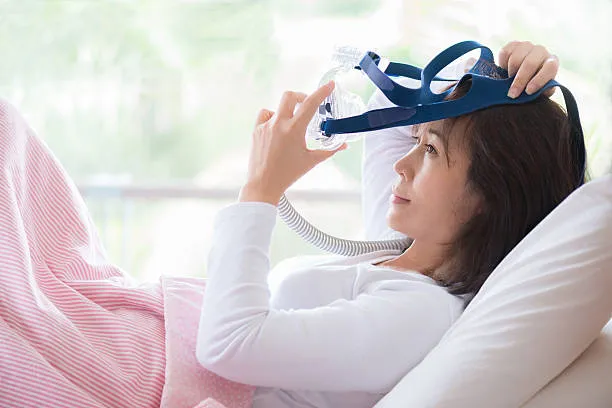
Adjusting to CPAP therapy may takes 2-3 weeks, and some patients experience minor challenges during the initial phase. Understanding these common concerns can help improve comfort and treatment adherence.
Some patients may experience:
Mask Discomfort
Proper mask selection and adjustment can improve comfort and reduce pressure points.
Air Leakage
Correct mask fitting and positioning can help minimise air leaks.
Dryness or Nasal Congestion
Humidification and appropriate adjustments may improve dryness and nasal discomfort.
Difficulty Adjusting to Pressure
Gradual adaptation and professional guidance can help patients become comfortable with therapy.
Feeling Claustrophobic
Trying different mask styles and gradual practice may help improve tolerance.
Regular follow-up helps identify these issues early and improve CPAP adherence.
Does CPAP treatment require ongoing monitoring? Let’s understand why follow-up is important.
CPAP Treatment Follow-Up and Monitoring
CPAP therapy is most effective when usage and comfort are regularly reviewed.
Follow-up check list may include:
Reviewing CPAP usage data
Checking mask comfort
Assessing symptom improvement
Adjusting therapy settings if needed
Addressing side effects
Supporting long-term adherence
What makes Dr Sharada Panse stand out in CPAP care? Let’s explore her approach to personalised sleep treatment in Mumbai.
Why Choose Dr. Sharada Panse for PAP Treatment in Mumbai?

Specialised Sleep Medicine Expertise
Experienced in evaluating sleep-related breathing disorders and guiding appropriate PAP therapy for eligible patients.
Focus on Correct Diagnosis First
PAP recommendations are based on detailed evaluation, sleep study findings and understanding of the underlying sleep condition.
Personalised PAP Selection
Device type, mask options and therapy approach are considered according to individual symptoms, comfort and treatment requirements.
Experience With Sleep Apnea Management
Clinical expertise includes managing obstructive sleep apnea, central sleep apnea, obesity hypoventilation syndrome and other sleep-related breathing disorders.
Management of Associated Sleep Concerns
Sleep quality, daytime symptoms and related health factors are considered while planning treatment.
Comprehensive Sleep Care
Personalised evaluation and sleep disorder treatment in Mumbai with a focus on improving breathing, sleep quality and overall wellbeing.
Get In Touch
FAQs
1. Who needs CPAP therapy?
CPAP is commonly recommended for patients with obstructive sleep apnea, especially moderate to severe cases.
2. Is CPAP treatment permanent?
The duration of CPAP therapy is lifelong unless some surgical options are explored.
3. How much does CPAP treatment cost in Mumbai?
The cost may vary depending on the device type, mask requirements and individual treatment needs.
4. Can CPAP cure sleep apnea?
CPAP manages sleep apnea by keeping the airway open during use but does not permanently cure the condition.It’s like using spectacles or crutches.
5. What happens if I stop using CPAP?
Stopping CPAP may allow sleep apnea symptoms to return, including snoring and daytime sleepiness.
6. How many hours should CPAP be used?
CPAP should generally be used throughout the sleep period as advised by the treating specialist.
7. What is the difference between CPAP and BiPAP?
CPAP provides continuous pressure, while BiPAP provides different pressure levels which function differently. IPAP supports breathing and EPAP opens the airway.
Disclaimer: The information shared in this content is for educational purposes and not for promotional use.