

Sleep Study in Mumbai
Do you wake up feeling tired despite getting enough sleep? Are snoring, frequent awakenings, daytime fatigue or difficulty staying alert affecting your daily life? These concerns may indicate an underlying sleep disorder that requires proper evaluation. A sleep study is a specialised diagnostic test that monitors different body functions during sleep to identify problems affecting sleep quality and breathing patterns.
Dr Sharada Panse, a distinguished sleep specialist in Mumbai, states:
“Sleep problems are often underestimated because many people adapt to poor sleep quality over time. A detailed sleep evaluation helps identify the actual cause behind disturbed sleep and allows treatment to be planned according to each patient’s needs.”

Dr Sharada Panse conducts specialised sleep studies in Mumbai at Nidra Health Clinic, focusing on identifying the underlying causes of disturbed sleep and breathing-related concerns. With expertise in respiratory and sleep medicine, she evaluates conditions such as sleep apnea, insomnia, hypersomnolence, and other sleep disorders through detailed assessment and appropriate diagnostic testing. Her patient-centered approach helps guide accurate diagnosis and personalised care.
Curious about what happens during a sleep test? Let’s understand how a sleep study evaluates your sleep patterns.
What Is a Sleep Study?
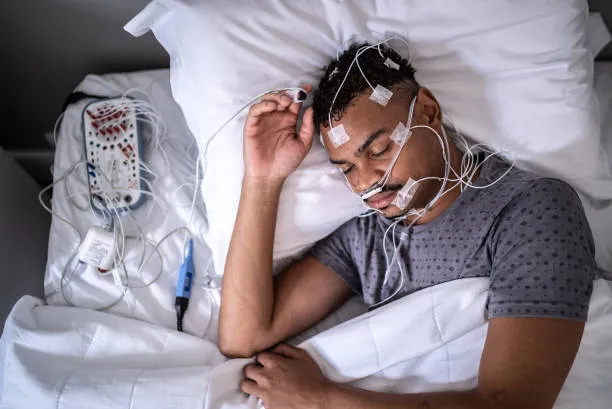
A sleep study, also known as polysomnography, is a diagnostic test that records various body functions while a person sleeps. It helps identify disruptions in sleep quality, breathing patterns,brain waves,leg movements,heart rate,ecg pattern and muscle activities that may not be noticeable during waking hours.
A sleep study may monitor:
Brain activity and sleep stages
When Should You Consider a Sleep Study?
A sleep study may be advised if you experience:
A sleep evaluation may also be recommended when symptoms suggest conditions such as obstructive sleep apnea, central sleep apnea, obesity hypoventilation syndrome, narcolepsy or other sleep disorders.

What Conditions Can a Sleep Study Help Diagnose?
A sleep study can help diagnose several sleep-related conditions, including:

Hypersomnolence Disorders

Idiopathic Hypersomnolence
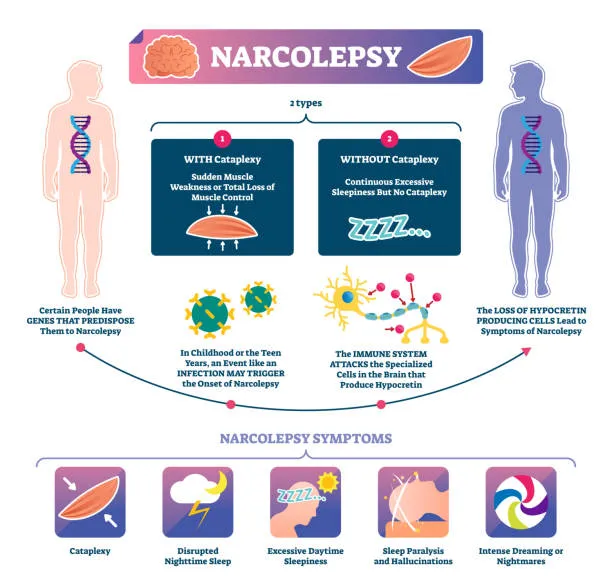
Narcolepsy
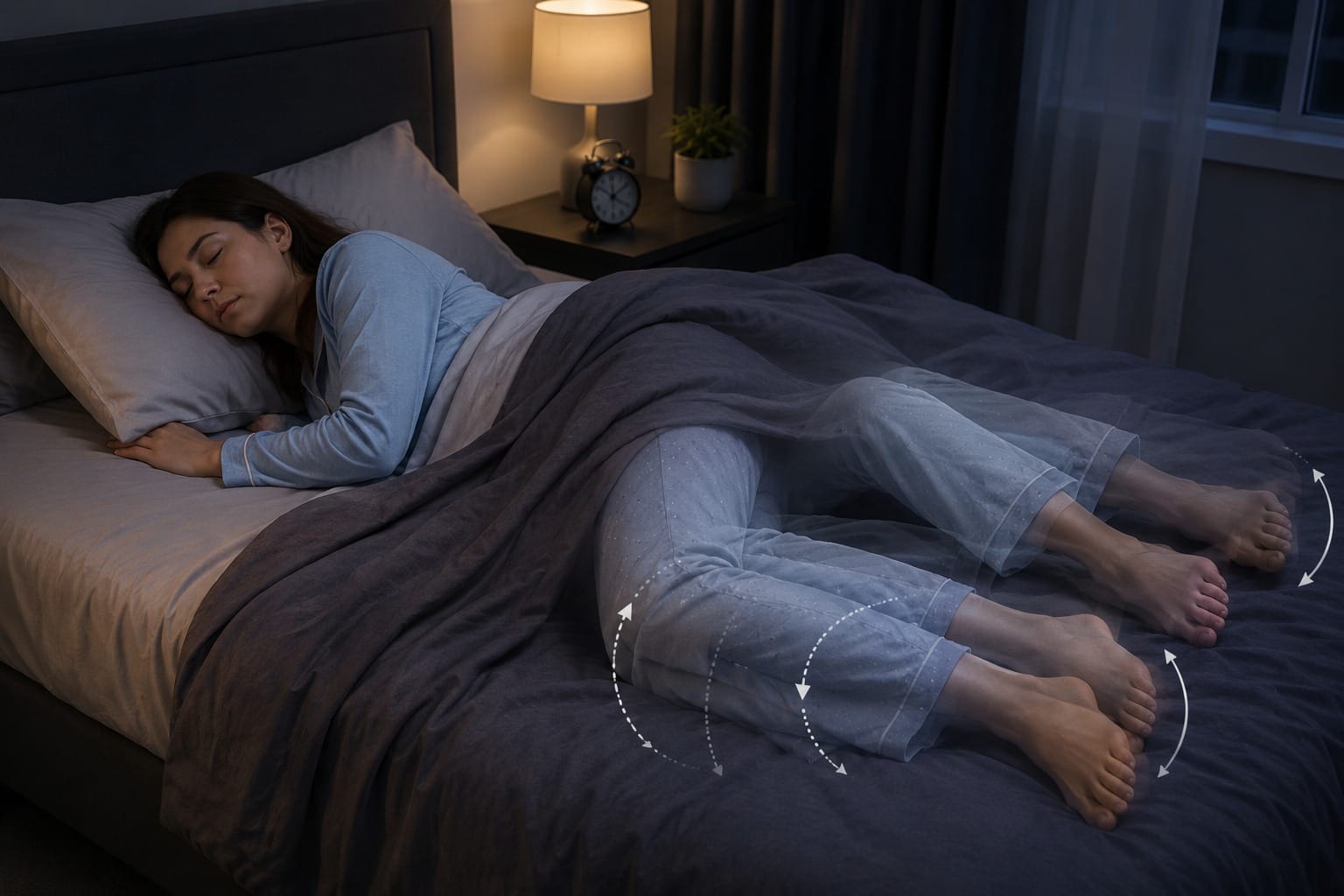
Periodic Limb Movement Disorder
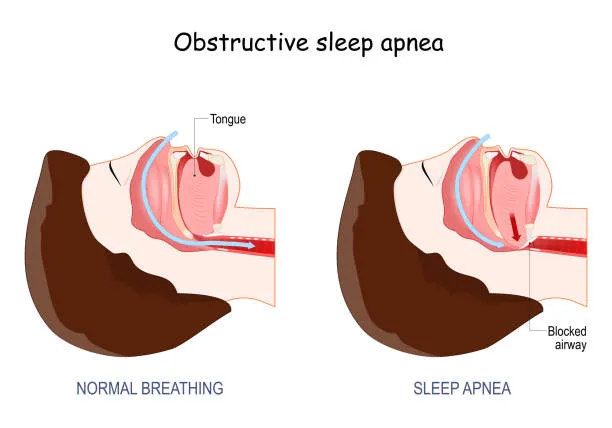
Obstructive Sleep Apnea

Central Sleep Apnea
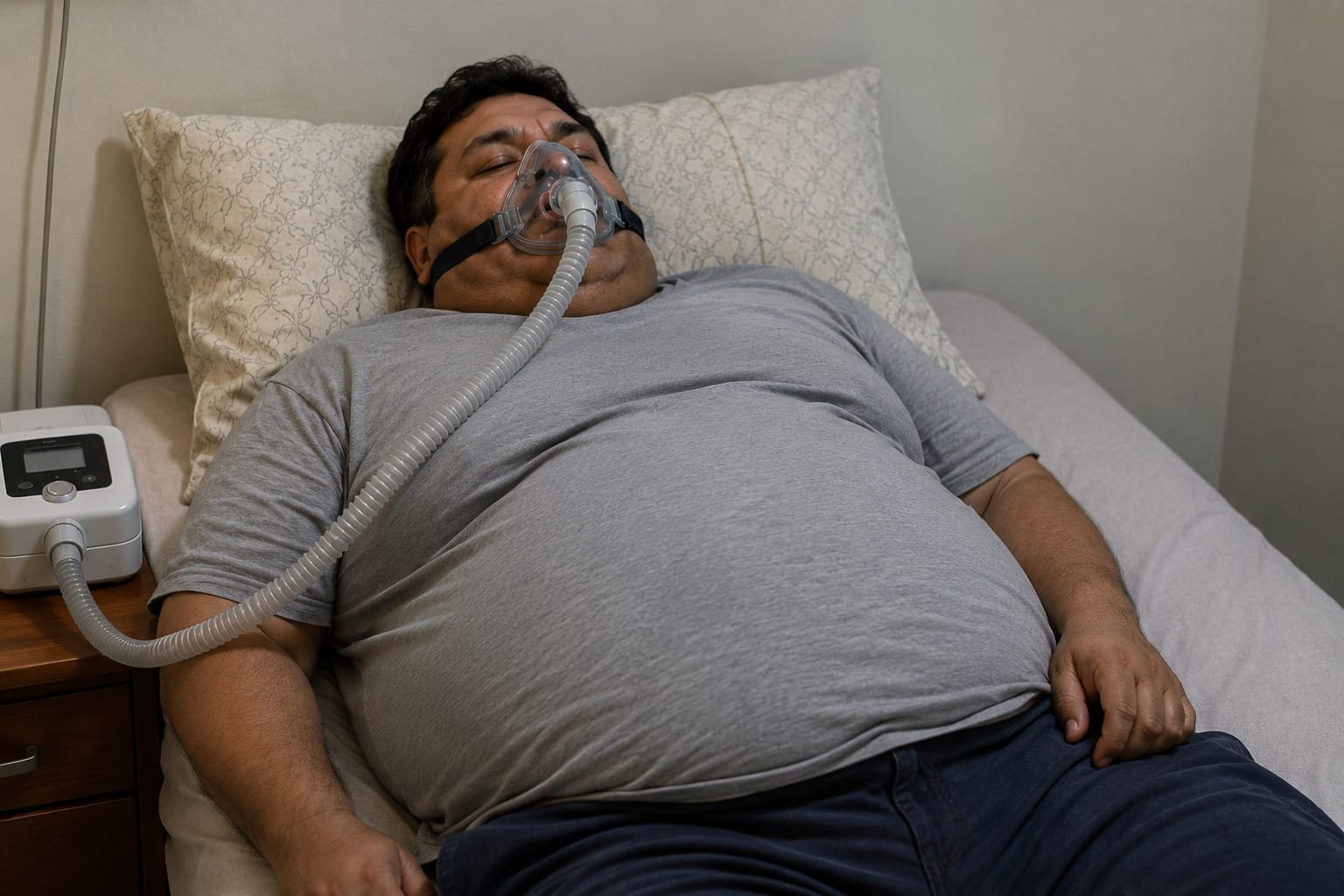
OHS (OBESITY HYPOVENTILATION SYNDROME)
Types of Sleep Studies Available in Mumbai
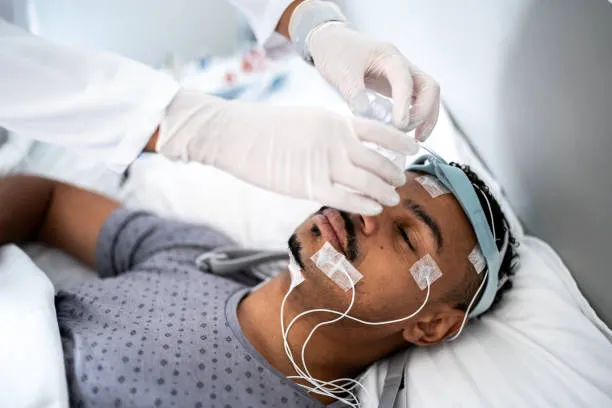
A level I sleep study performed in a sleep laboratory records detailed information about sleep stages, breathing, oxygen levels, heart activity and body movements.
It is commonly recommended for evaluating:
- Sleep apnea
- Comorbid sleep disorders
- Obesity Hypoventilation
- Abnormal movements during sleep
Home Sleep Study/ Polygraphy
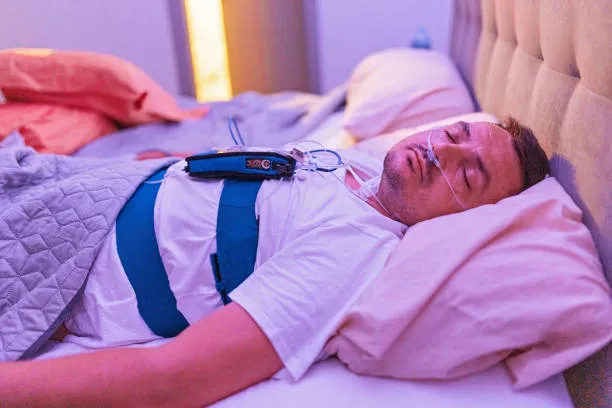
Level 2,3,4 are included in Polygraphy.A home sleep study allows selected patients to undergo sleep monitoring in their own environment. Level II is similar to level I study except where the study is done at home instead of at a sleep center.
Level III typically records breathing patterns, oxygen levels, heart rate and airflow. Level IV involves heart rate and oxygen levels.
It may be suitable for patients with a high likelihood of obstructive sleep apnea after medical evaluation.
Multiple Sleep Latency Test (MSLT)
MSLT measures how quickly a person falls asleep during scheduled daytime naps. It is commonly used when evaluating excessive daytime sleepiness and conditions such as narcolepsy and idiopathic hypersomnolence.
Maintenance of Wakefulness Test (MWT)
MWT evaluates the ability to remain awake during scheduled time in specific conditions and may be useful in assessing daytime alertness.
The choice of test depends on symptoms, medical history and the suspected sleep disorder.
How Is a Sleep Study Performed?
After the study, the recorded data is analysed to identify abnormal sleep patterns and guide treatment decisions.
How to prepare once a sleep study test is advised to you ?
- Wear loose clothes while the study is being performed
- Avoid tea/coffee after 2 pm.
- Avoid alcohol or smoking on the day of the sleep test
- Continue prescribed medicines as per usual schedule on the day of testing
- Wash your hair on the day of sleep test
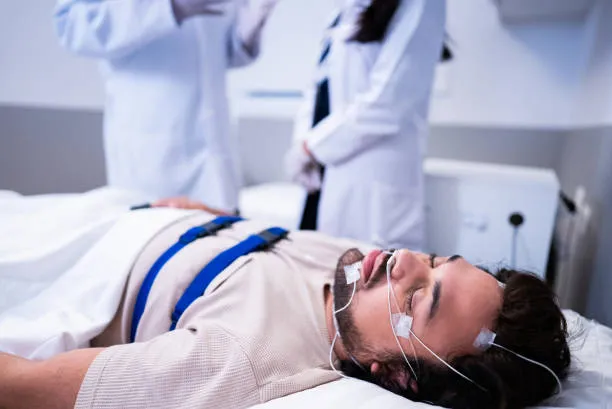
Which sleep test is suitable for your condition? Let’s compare the two common sleep study options.
Home Sleep Study vs In-Lab Sleep Study
| Home Sleep Study | In-Lab Sleep Study |
|---|---|
| Conducted at home | Conducted in a sleep facility |
| More convenient for selected patients | Provides detailed sleep monitoring |
| Mainly focuses on breathing-related parameters | Records multiple sleep functions |
| Commonly used for suspected obstructive sleep apnea | Useful for comorbid sleep disorders |
An in-lab study may be preferred when multiple symptoms are present or when detailed monitoring of sleep stages and body functions is required.
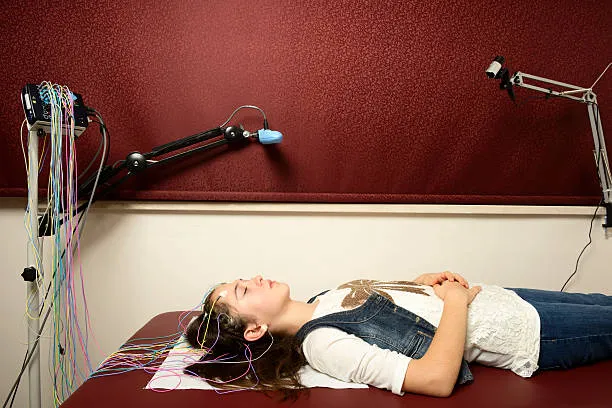
What do sleep study results reveal? Let’s understand how findings guide treatment decisions.
Understanding Your Sleep Study Results
Sleep study reports provide information about:

Choosing the right specialist ensures accurate sleep evaluation. Let’s explore Dr Sharada Panse’s expertise behind comprehensive sleep assessment.
Why Choose Dr Sharada Panse for a Sleep Study in Mumbai?
Specialised Sleep Medicine Expertise
Comprehensive Sleep Assessment Approach
Expertise in Sleep-Related Breathing Disorders
Accurate Test Selection
Focus on Identifying the Root Cause
Dedicated Sleep Health Services

Get In Touch
FAQs
1. Why is a sleep study done?
2. How long does a sleep study take?
3. Is a sleep study painful?
4. What is the sleep study cost in Mumbai?
5. What conditions can a sleep study detect?
Disclaimer: The information shared in this content is for educational purposes and not for promotional use.