Snoring Treatment in Mumbai

Do you or your partner struggle with loud snoring every night? Does snoring disturb your sleep or leave you feeling tired, irritated or less energetic during the day? Although occasional snoring can be common, persistent loud snoring may signal some underlying sleep-related breathing problem. Proper evaluation can help diagnose the cause of snoring and find a treatment for it.

“Snoring is usually considered harmless but it can sometimes be an indicator of interrupted breathing while sleeping. Knowing what is causing snoring – if it is an obstruction of the airways or any other sleep condition – is essential for treatment planning,” says Dr Sharada Panse, a reputable sleep specialist in Mumbai.

Dr Sharada Panse offers personalized snoring treatment in Mumbai at Nidra Health Clinic. With her experience in respiratory and sleep medicine, she diagnoses and treats sleep apnea and sleep-related breathing disorders and other sleep issues.
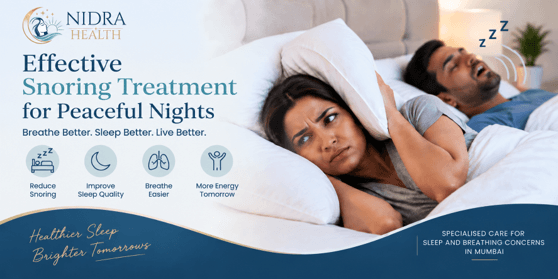
Snoring can be more than just a sleeping disturbance.
Connect with a sleep specialist for proper evaluation and guidance.
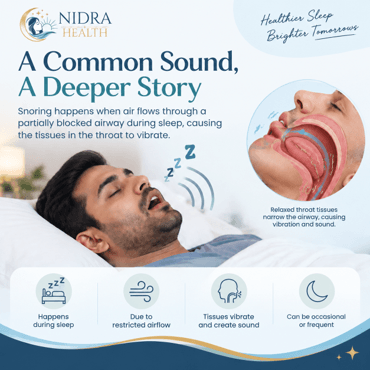
Is snoring affecting your sleep quality? Let’s understand why snoring happens during sleep.

What Is Snoring ?

Snoring is a noisy breathing sound produced as a result of partial obstruction of airflow through the mouth and nose while sleeping. When air passes through the narrowed tissues in the throat, vibration in the surrounding structures results in the snoring sound.

The degree of severity of snoring varies from mild and occasional to loud and frequent. Though simple snoring may be attributed to temporary issues such as a stuffy nose or sleeping position, severe snoring may require medical evaluation.

Snoring might sometimes be related to obstructive sleep apnea condition in which the breathing process is interrupted due to narrowing or closure of the airway.

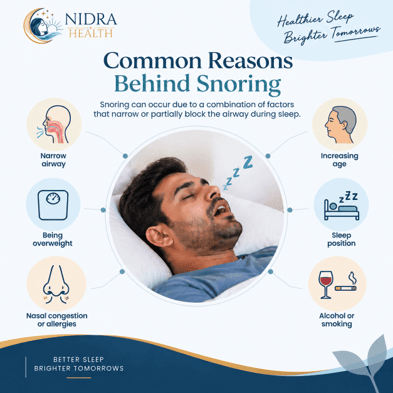
Why does snoring occur during sleep? Let’s explore the common factors that contribute to snoring.

What Causes Snoring?

Snoring develops when airflow becomes restricted while sleeping. Several factors may increase the likelihood of snoring, including:

Understanding the cause is important because treatment for snoring depends on the underlying reason.
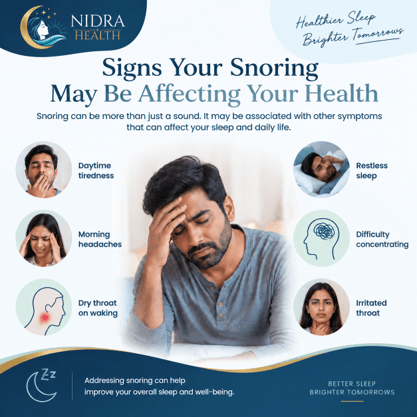
Is snoring accompanied by other sleep problems? Let’s discover symptoms that may need attention.

Common Symptoms Associated With Snoring

Apart from the sound of snoring, some people may experience:

If snoring occurs with breathing pauses or excessive daytime sleepiness, it may indicate an underlying sleep disorder.

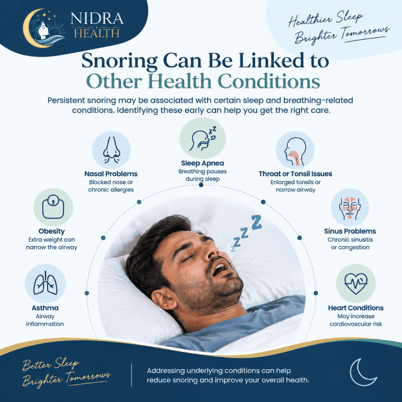
Could snoring be linked to another sleep condition? Let’s explore conditions commonly associated with persistent snoring.

Conditions Associated With Snoring

Persistent snoring doesn’t always stand alone — it can be linked to other sleep or breathing disorders. Understanding that connection is often the key to an accurate diagnosis.

These conditions may require proper evaluation to determine the underlying cause of snoring and guide suitable management.
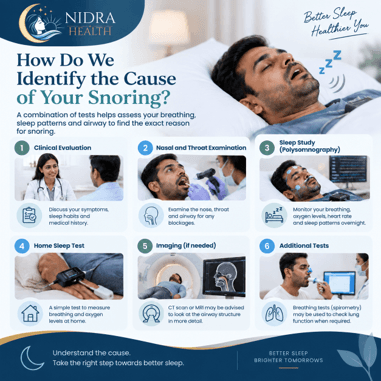
Persistent snoring may require more than simple lifestyle changes. Get in touch with a sleep specialist for detailed evaluation.
Finding the reason behind snoring is the first step toward treatment. Let’s understand how snoring is evaluated.

How Is Snoring Diagnosed?

It starts with a conversation. Symptoms, sleep habits and factors that might be contributing to the problem — all of it gets discussed first.

Evaluation may include:

Looking for effective solutions for loud snoring? Let’s explore the available treatment options.

Snoring Treatment Options

Treatment depends on the cause, severity and associated symptoms.

Lifestyle Changes

Helpful measures may include:

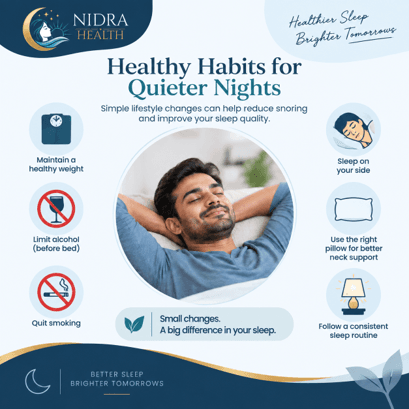
* Maintaining a healthy weight

* Regular physical activity

Read More..

* Avoiding alcohol before bedtime

* Maintaining regular sleep schedules

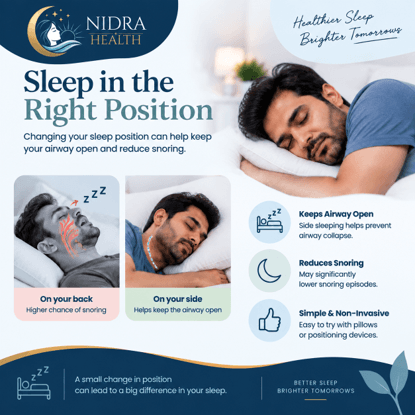
* Sleeping in a side position
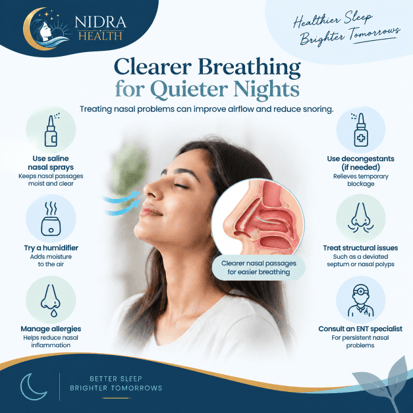
Managing Nasal Problems

If allergies or congestion are blocking the airway, treating those directly often improves airflow — and with it, the snoring.
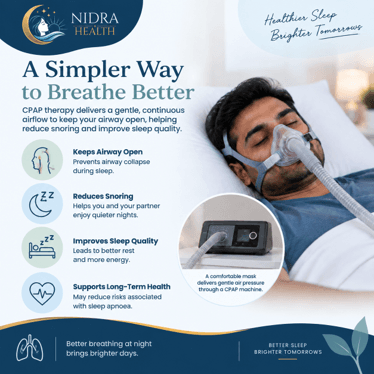
CPAP Therapy
For patients with obstructive sleep apnea, CPAP therapy may help keep the airway open during sleep and reduce snoring.

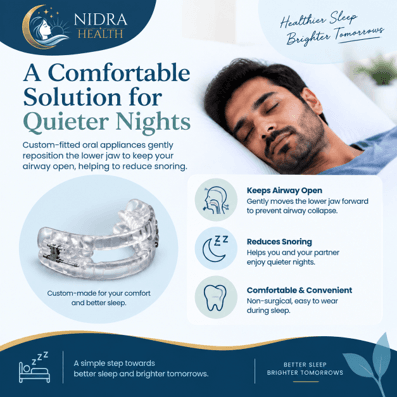
Oral Appliances

A mandibular advancement device may be suitable for selected patients by repositioning the jaw to improve airflow.

Positional Therapy

Some people only snore on their back. For them, something as simple as changing sleep position can make a noticeable difference.

Surgical Evaluation

In selected cases, there’s a structural cause behind the blockage. In those cases, surgery becomes a possibility — but only after specialist evaluation.
The right treatment for loud snoring depends on identifying the underlying cause.
Is your snoring affecting your health and daily life? Let’s understand when professional evaluation becomes important.

When Should You See a Sleep Specialist for Snoring?

You should consider consulting a sleep specialist if you experience:

A sleep specialist can determine whether snoring is harmless or linked to a sleep disorder.

Wondering what happens during treatment? Let’s understand the care journey for snoring management at our snoring clinic in Mumbai.

What to Expect During Snoring Treatment in Mumbai

The process generally looks like this:

At Nidra Health Clinic, the goal isn’t a quieter room — it’s treating whatever’s actually driving the snoring in the first place.
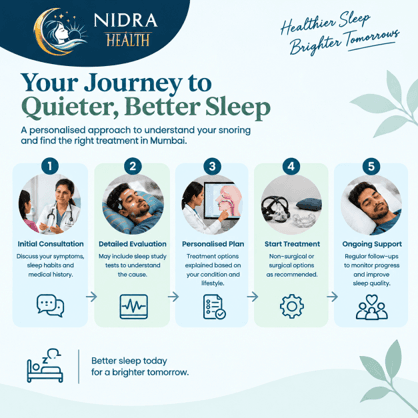
Early evaluation can help identify the cause of persistent snoring. Speak with a sleep doctor in Mumbai for personalised guidance.
What makes Dr Sharada Panse stand out for persistent snoring concerns? Let’s explore her expertise in diagnosis and treatment of sleep disorders.

Why Choose Dr. Sharada Panse for Snoring Treatment in Mumbai?

Snoring develops when airflow becomes restricted while sleeping. Several factors may increase the likelihood of snoring, including:

Understanding the cause is important because treatment for snoring depends on the underlying reason.

N

Specialised Sleep Medicine Expertise

Dr Sharada Panse focuses on evaluating sleep-related concerns and identifying whether snoring is linked to an underlying sleep disorder.

Experience With Sleep Apnea Evaluation

Loud snoring can sometimes be associated with obstructive sleep apnea. Her expertise includes evaluating sleep-related breathing disorders and guiding appropriate management.

Respiratory Medicine Perspective

With expertise in respiratory medicine, she evaluates how breathing patterns, airway health and sleep quality may contribute to snoring.

Comprehensive Snoring Diagnosis

Detailed assessment of symptoms, medical history and sleep patterns helps determine whether further testing, such as a sleep study, may be required.

Personalised Treatment Planning

Treatment options are selected based on the underlying cause, severity of symptoms and individual patient requirements.

Management of Associated Sleep Disorders

Snoring may occur with conditions such as sleep apnea, insomnia or other sleep-related breathing disorders . A complete evaluation helps address the broader sleep health picture.

Evidence-Based Approach

The treatment plan focuses on accurate evaluation and suitable interventions rather than temporary solutions.

Dedicated Sleep Disorder Services

Provides specialised sleep disorder treatment in Mumbai, including evaluation and management of snoring and related sleep concerns.

Get In Touch

Shushrusha Citizens’ Co-operative Hospital Ltd, 698-B, Ranade Rd, W, Dadar, Mumbai, Maharashtra 400028

FAQs

1. Is snoring always a sign of sleep apnea?

Not always. Occasional snoring is usually harmless. It is called as primary snoring. If it’s the loud, frequent type— especially with breathing pauses — that’s worth consulting.

2. What causes loud snoring?

Could be several things at once: a narrow airway, nasal blockage, excess weight, sleep position, or throat muscles relaxation.

3. Can snoring be treated permanently?

Depends entirely on the cause. For some, lifestyle changes are enough. For others, therapy or medical treatment makes the real difference.

4. Can weight loss reduce snoring?

In many cases, yes — particularly when excess weight contributes to airway narrowing.

5. Can CPAP stop snoring?

CPAP may reduce snoring when it is caused by obstructive sleep apnea.

6. Can children have snoring problems?

Yes — often due to enlarged tonsils, nasal issues, or other airway-related causes.

7. What is the best treatment for snoring?

There isn’t one universal answer — it depends on the cause, and might involve lifestyle changes, CPAP, oral appliances, or some combination.

Disclaimer: The information shared in this content is for educational purposes and not for promotional use.

Call Now Button